Water Damage Restoration Sun City Center, FL
24/7 water damage restoration in Sun City Center, FL. The extraction crew pulls standing water off tile and carpet, the drying team dries the structure to the IICRC S500 standard, and every reading goes into the claim file.
(888) 621-2041Leak spreading across the tile? Get help nowNo lifting, no wading: the crew moves furniture, sets equipment and walks the household through each step.
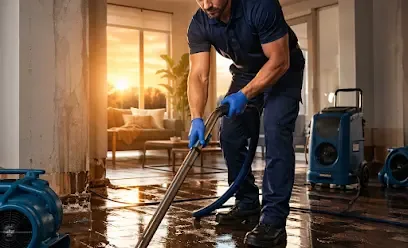
What to do while the water is still moving
- Close the valve Turn off the main or the fixture valve if it is easy to reach. Skip it if the valve is behind heavy furniture.
- Stay off wet floors Wet tile is slick. Keep to dry rooms and leave the lifting and carrying to the crew.
- Cut power to wet rooms Switch off breakers for the wet area only if the panel sits in a dry spot.
- Take a few photos Snap the water, the source and any wet belongings before anything is moved or thrown out.
- Phone within the day Drying started inside 24 to 48 hours keeps drywall, cabinets and pad from being lost.
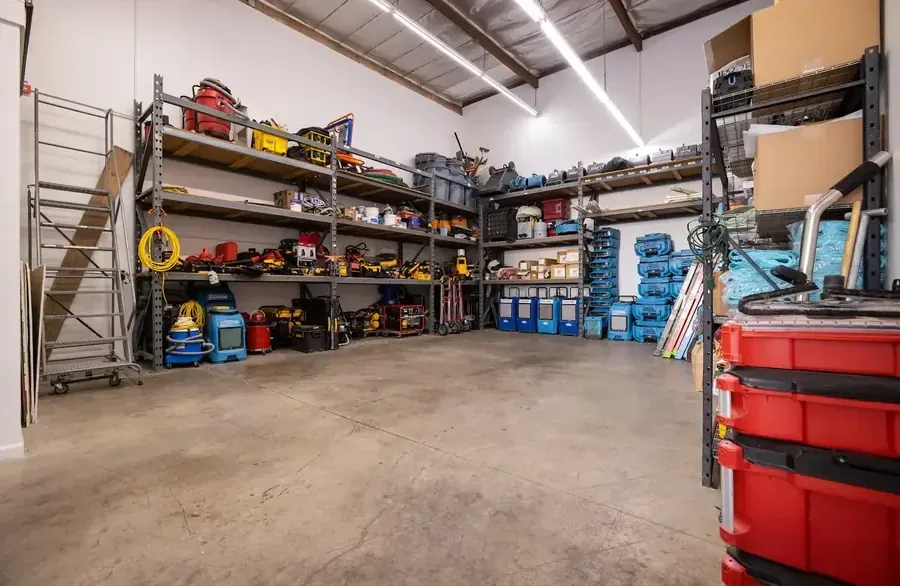
Water damage help built around single-story living
Most losses here start indoors: an AC pan, a water heater, a washer hose or a pipe under the slab. Storm season adds wind-driven rain and water rising from low ground.
Moves fast at night
An active leak is treated as urgent whatever the hour. The extraction crew heads out to stop the spread first and plans the drying second.
Measures, never guesses
Thermal imaging and pinless meters map the wet area before equipment goes down, and readings are logged every day until the structure is dry.
Keeps a clean claim file
A moisture map, daily psychrometric logs and timestamped photos taken before any demolition give the adjuster what the claim needs.
Explains each step
The crew walks the household through what is wet, what stays, what comes out and how long the equipment runs, in plain words.
Water Damage Services for Homes Across the Community
Water and sewage losses only: emergency extraction, slab leaks, AC drain overflows, storm and flood water, roof leaks and full structural drying for homes and clubhouses.
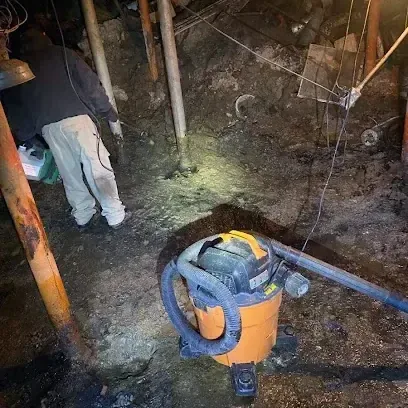 Emergency Water ExtractionStanding water pulled off tile, carpet and laminate before it wicks under baseboards.Read the details
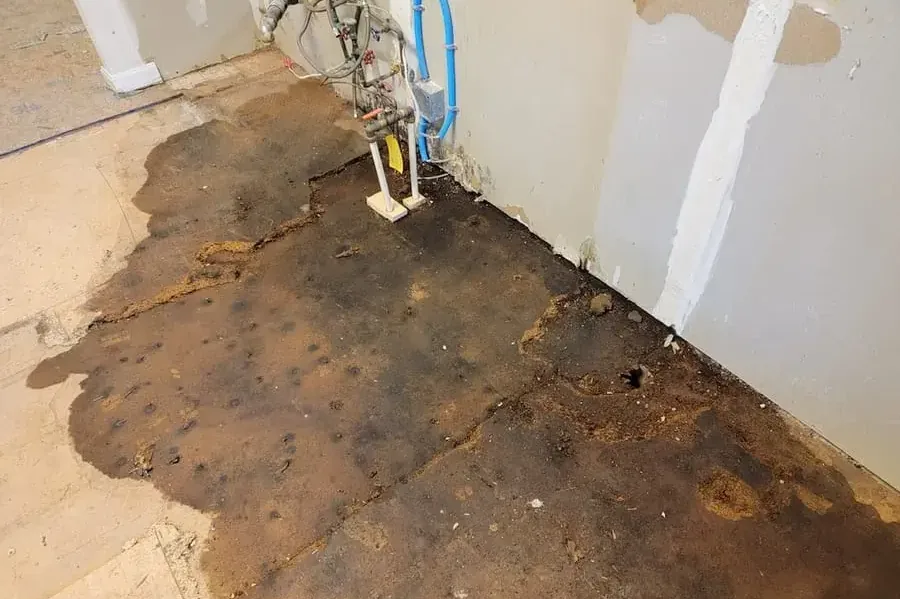 Slab Leak Water DamageLeaks under the concrete traced, flooring lifted where needed and the slab dried.Read the details
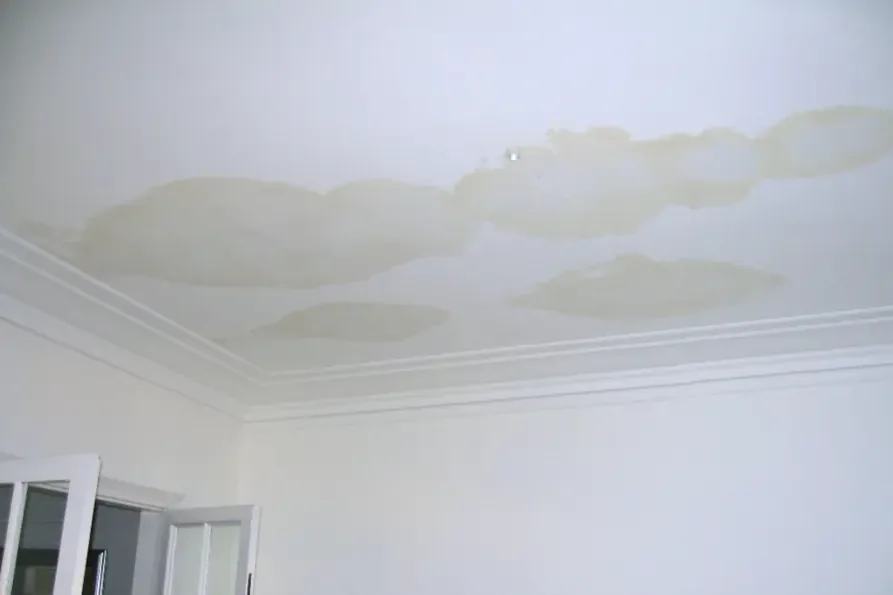 AC Drain Line and Air Handler LeaksClogged condensate drains and overflowing pans that soak ceilings and closets.Read the details
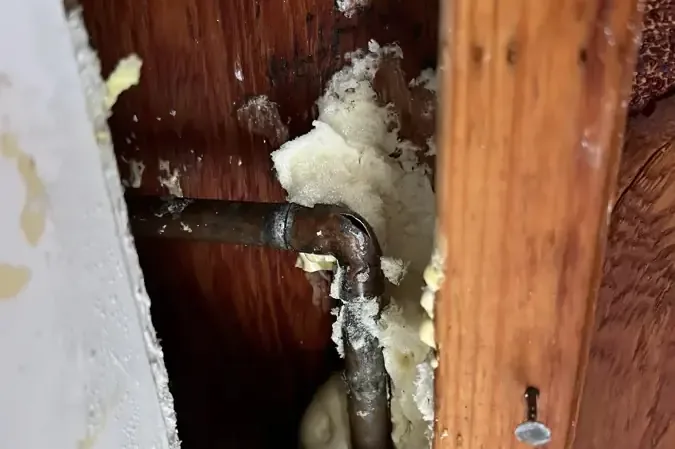 Burst and Pinhole Pipe LeaksSplit supply pipes and pinhole leaks inside walls opened, extracted and dried.Read the details
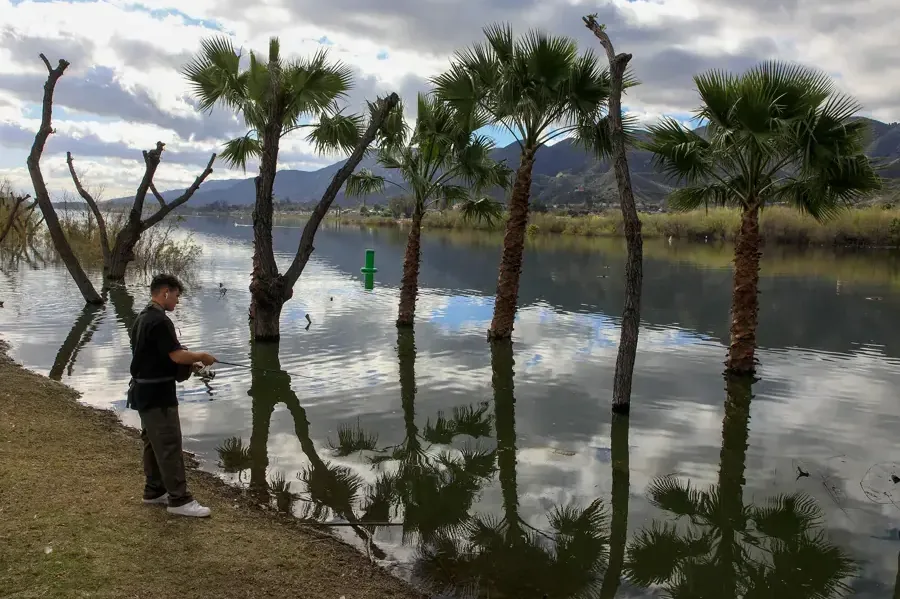 Hurricane and Tropical Storm WaterWind-driven rain through sliders, windows and soffits dried out after the storm.Read the details
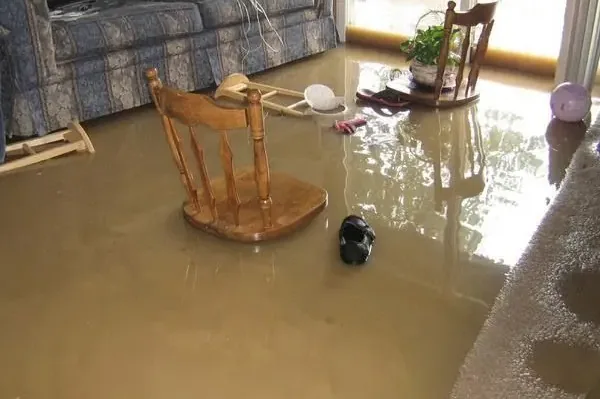 Flood Water CleanupRising storm water treated as contaminated, removed and the rooms dried.Read the details
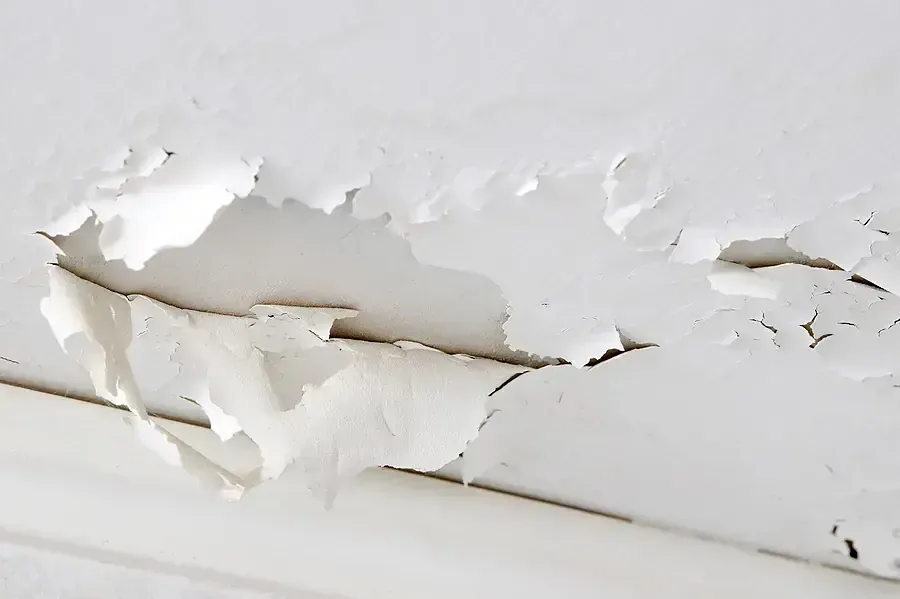 Roof Leak Water DamageTile and shingle roof leaks traced to the attic, insulation pulled, ceilings dried.Read the details
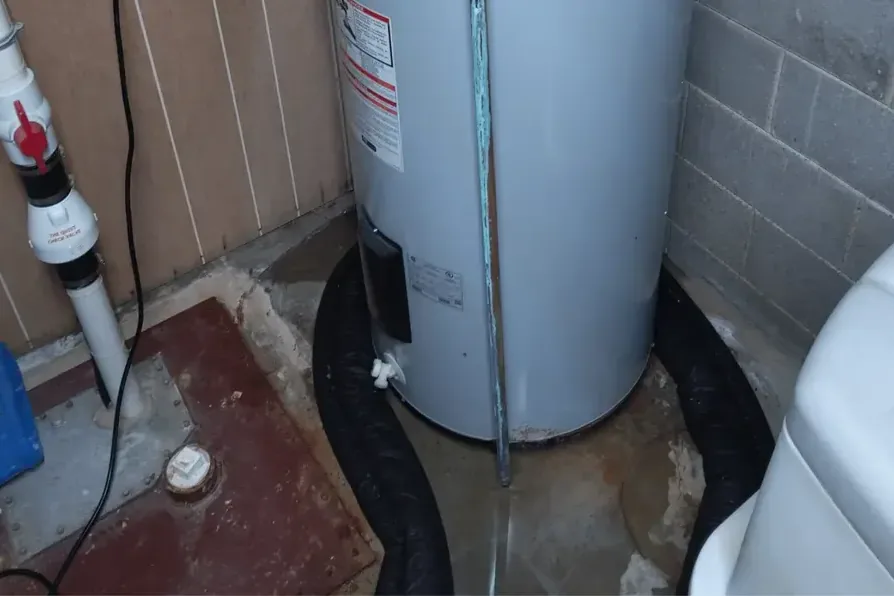 Water Heater Leak CleanupTank failures in garages and utility closets extracted before drywall soaks.Read the details
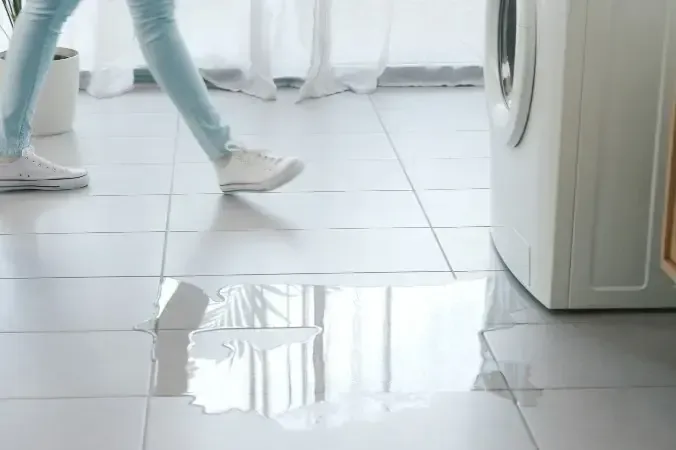 Appliance and Supply Hose LeaksWasher, dishwasher, ice maker and toilet supply leaks dried from the floor up.Read the details
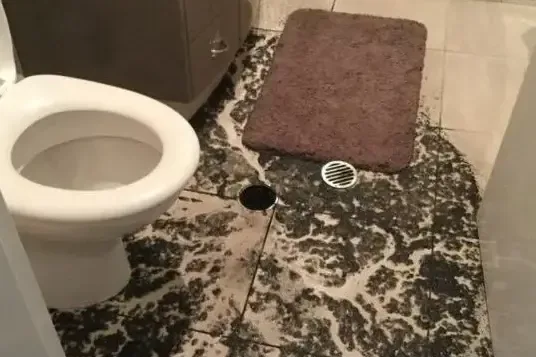 Sewage Backup CleanupToilet and drain backups handled as Category 3, with PPE and safe removal.Read the details
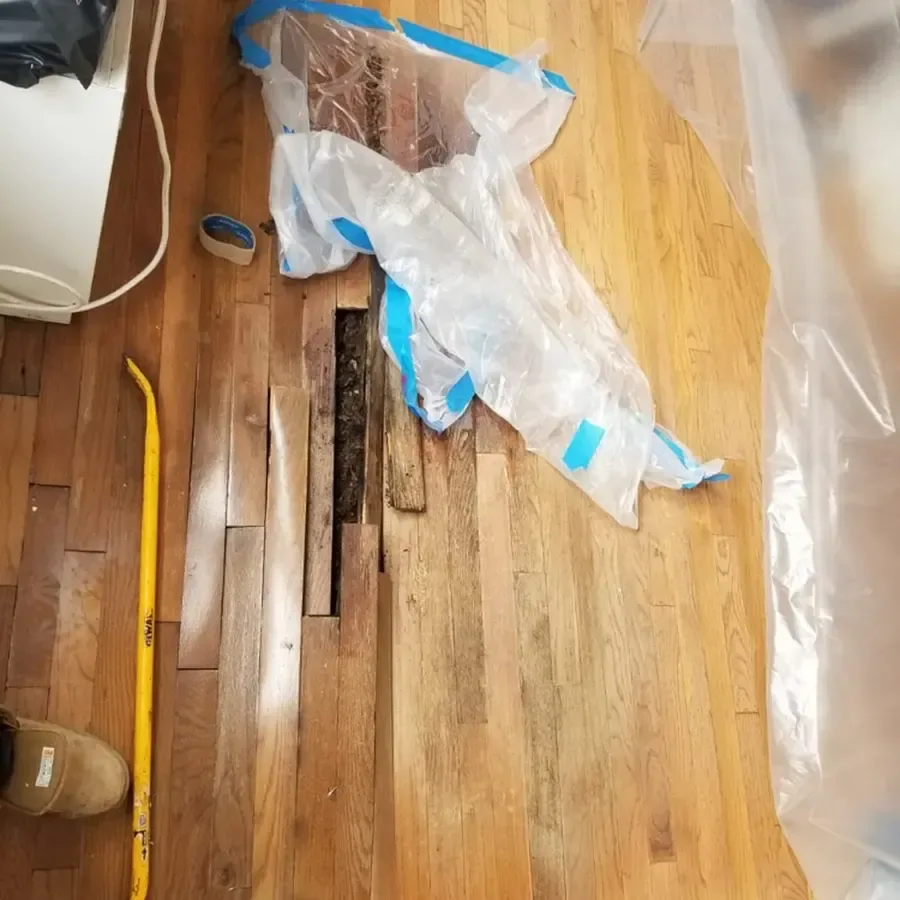 Structural Drying and DehumidificationDrywall, framing, cabinets and slab dried to a measured dry reference.Read the details
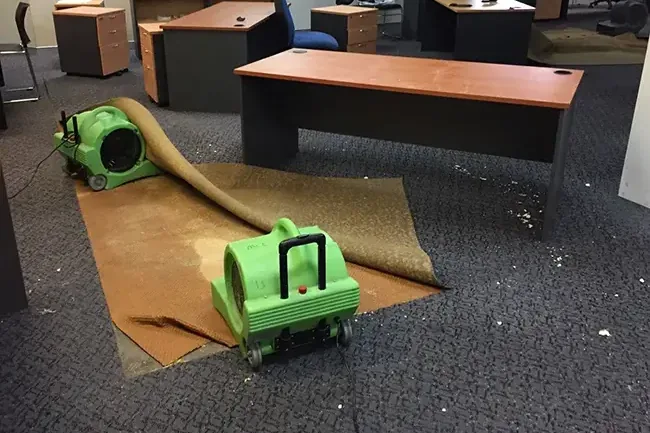 Commercial Water DamageClubhouses, offices and shops dried in phases so the doors stay open.Read the details
Not sure what kind of leak it is?Say where the water showed up and which rooms it reached. The response team works out the rest.(888) 621-2041
Planning calculatorsTypical cost and drying time ranges, plus a quick check of how likely an attic AC unit is to overflow.Try the calculators
Commercial Water DamageClubhouses, offices and shops dried in phases so the doors stay open.Read the details
Not sure what kind of leak it is?Say where the water showed up and which rooms it reached. The response team works out the rest.(888) 621-2041
Planning calculatorsTypical cost and drying time ranges, plus a quick check of how likely an attic AC unit is to overflow.Try the calculators
Every category of water damage handled the right way
Category 1, clean water
A burst supply pipe, a water heater or a slab leak. Extracted and dried in place before it sits long enough to turn dirty.
Slab leak drying detailsCategory 2, gray water
Washer and dishwasher drains, an AC pan or a toilet bowl. Wet pad and porous items get extra caution.
AC overflow cleanup detailsCategory 3, black water
Sewage backups and storm water from outside. Contained, porous materials removed, surfaces treated, then dried.
Sewage cleanup detailsWhat does water damage restoration cost in Sun City Center, FL?
Most water losses here land between $1,200 and $25,000. A small clean-water leak caught early sits at the low end, while sewage, storm water or a slab leak under several rooms costs more because more material comes out and drying runs longer.
One room, caught early
$1,200 to $3,500- Extraction and baseboards off
- Air movers and an LGR unit
- Three to four days of readings
Several rooms or a ceiling
$3,500 to $9,000- Flood cuts on lower drywall
- Cabinet toe kicks opened
- Daily moisture logs
Category 3 or slab work
$8,000 to $25,000- Porous materials removed
- Antimicrobial at dwell time
- Longer Class 4 drying
Ranges are typical, not a quote. Water category, square footage, material class and how fast drying started move the number most. Try the water damage cost calculator for a closer planning range.
A claim file the adjuster can work from
A water claim is decided on the paperwork. A complete file from the restoration team carries every item below, from the first walkthrough to the final dry reading.
- The moisture map from day one
- Daily psychrometric and moisture readings
- Timestamped photos taken before any demolition
- The category and class of the loss
- A line-item scope of the work done
Sudden leak or flood?
A sudden and accidental discharge, such as a burst pipe or an overflowing AC pan, is treated differently from water rising from outside.
Hillsborough County notes most homeowner policies do not cover flood damage, so flood water usually needs a separate flood policy. Check your own policy with your insurer.
Water damage dried to the IICRC S500 standard
Structural drying, not surface drying. In humid Gulf Coast air the dehumidifiers matter as much as the fans, and the equipment stays until the readings say dry, not until the floor looks dry.
- 1
Map the moisture
The technician on the walkthrough maps moisture with thermal imaging and pinless meters before any equipment is set, so the plan matches what is wet.
- 2
Pull the water
The extraction crew removes standing water with truck-mounted extraction, so it leaves the home instead of drifting under the next baseboard.
- 3
Set the drying
The drying team places air movers to each room's evaporation load and runs LGR dehumidifiers to pull that moisture out of the air.
- 4
Read it dry
Readings go in the log each day until wet materials sit within 2 to 4 points of a dry reference, then the logs and photos go to the claim file.
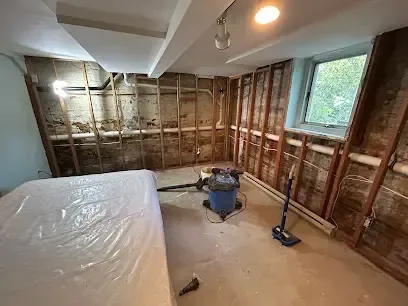
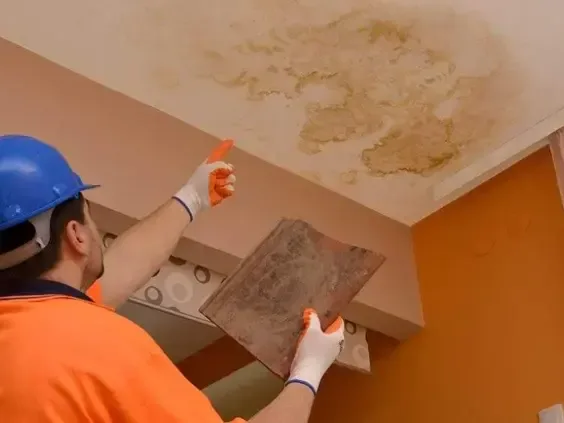
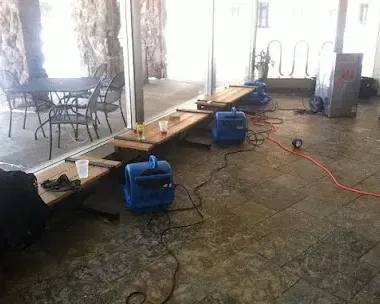
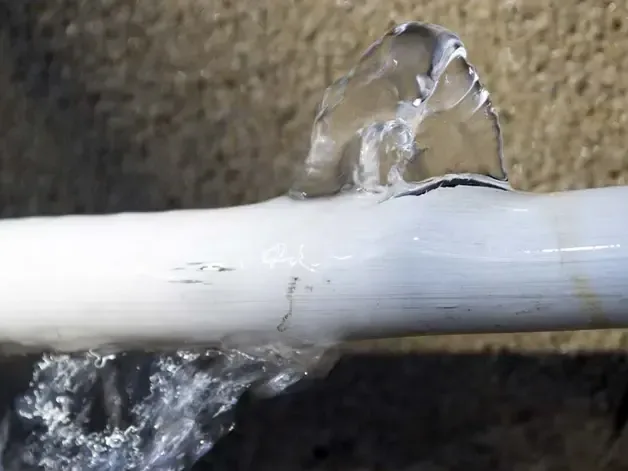
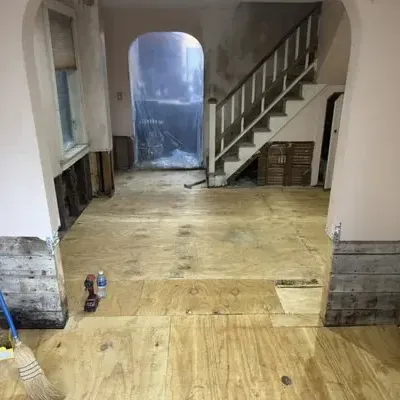
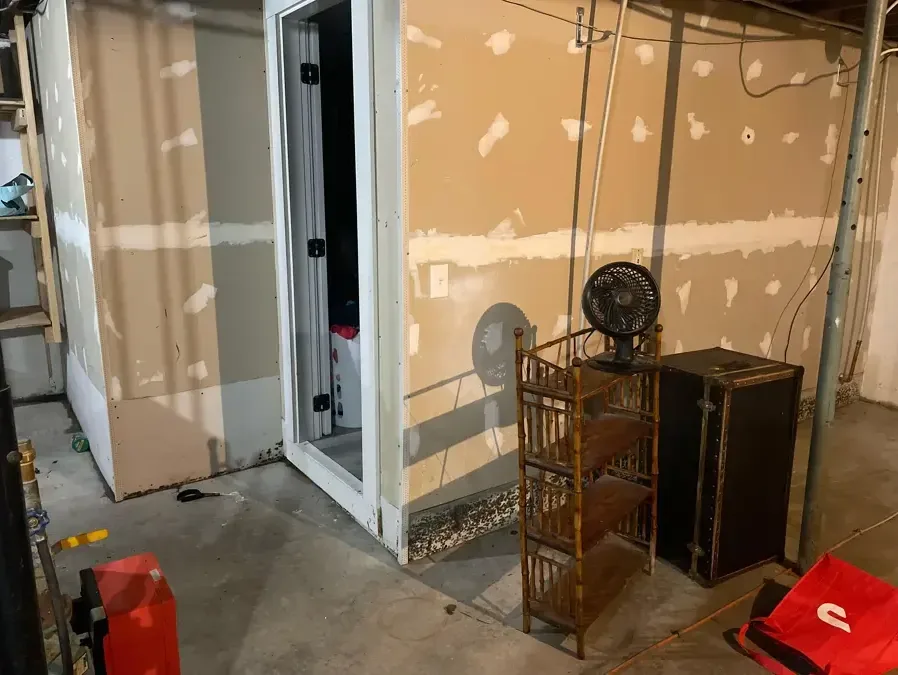
What a water damage dry-out looks like from start to finish
Water damage restoration across southern Hillsborough County
Local water damage pros, ready around the clock
The response team handles extraction, structural drying and claim documentation for homes, clubhouses and offices across the community, day or night.
Have the source of the water and the rooms it reached in mind, because that decides how much equipment goes on the truck.
Sun City Center, FL · [email protected]
(888) 621-2041Get a crew headed to the house Find us on GoogleZIP codes
Neighborhoods covered
Nearby communities
Water damage risks in Sun City Center
Summer storms on a high water table, ground that drains toward Cypress Creek and the Little Manatee River, and homes built from the 1960s on shape most water losses here.

Founded in 1961
The community dates to 1961, so its oldest homes carry six decades of wear on supply pipes, slabs, roofs and water heaters.
- Summer storm season. Tropical storms and afternoon thunderstorms bring heavy rain in the summer months, and wind pushes it through sliders, windows and soffits.
- A high water table. The Little Manatee watershed has characteristic high water tables, so storm water has little room to soak in and collects on low ground first.

Air handlers that never rest.
In humid Gulf Coast air an AC pulls water out of the air for most of the year, and a clogged condensate drain overflows into ceilings and closets.
- Aging pipes under the slab. Supply lines under older slabs wear thin over the decades, and a leak can run unseen under tile until a warm spot or a high water bill gives it away.
- Homes left empty for a trip. A washer hose or water heater that fails while the house is empty can run for days before anyone finds it, which pushes a loss into a higher class.
Water damage questions from local homeowners
How fast does a crew respond to water damage here?
An active leak is treated as urgent at any hour. The extraction crew heads out to stop the spread first, then the drying team sets equipment. The sooner extraction starts, the more drywall, cabinets and pad can be dried in place instead of torn out.
What should a homeowner do in the first hour?
Close the main or fixture valve if it is easy to reach, switch off breakers to wet rooms only if the panel is dry, take photos, and stay off wet tile. Leave heavy lifting and furniture moving to the crew.
Does homeowners insurance cover the damage?
Sudden and accidental water, such as a burst pipe or an overflowing AC pan, is often covered after the deductible. Rising flood water usually needs a separate flood policy. Coverage depends on your own policy, so check with your insurer.
How long does drying take in humid Florida air?
Most homes dry in three to five days once extraction is done. Slabs, cabinets and wood flooring take longer. Humid air slows drying, which is why LGR dehumidifiers run alongside the air movers and readings are logged every day.
What is the IICRC S500 standard?
IICRC S500 is the industry standard for professional water damage restoration. It sets how losses are inspected, how water category and class are assigned, and how drying is measured, so the job ends on a dry reading rather than a guess.
When does drywall have to come out?
Drywall that wicked clean water can often be dried in place with the baseboards off. Drywall soaked by sewage or storm water from outside, or wet long enough to swell and crumble, is cut out above the waterline.
Why is sewage handled differently?
Sewage is Category 3 water from the start. The crew wears PPE, contains the area, removes porous materials it touched, treats surfaces with an EPA-registered antimicrobial at the label dwell time, and only then dries the structure.
How is the cost of a water damage job figured?
Cost follows the water category, the square footage that got wet, the class of materials involved and how many days of drying it takes. A loss caught in the first day almost always costs less than one found after a trip.
What causes most water losses in local homes?
AC condensate overflows, water heater and washer hose failures, slab leaks under older homes and summer storm water lead the list. Wind-driven rain during tropical storms adds a wave of ceiling and wall losses each season.
Can the restoration team dry a slab without tearing up all the tile?
Often, yes. Moisture mapping shows where the slab is wet, and drying mats, air movers and dehumidifiers work on the affected zone. Tile comes up only where readings show the water is trapped beneath it.
Still standing in water? The restoration team works around the clock, weekends and holidays included. Shut the water off if the valve is easy to reach, then phone.
(888) 621-2041Talk through the wet roomsWater on the floor at home? Get the drying started tonight.
Every hour of standing water pushes it deeper into pad, drywall and cabinets.