AC Drain Line and Air Handler Leaks in Sun City Center, FL
When a condensate drain clogs or a pan rusts through, water spills into ceilings, closets and hallway floors. The drying team traces the wet zone from the air handler down and dries insulation, drywall and framing to a measured dry reference.
(888) 621-2041Ceiling dripping under the air handler? Phone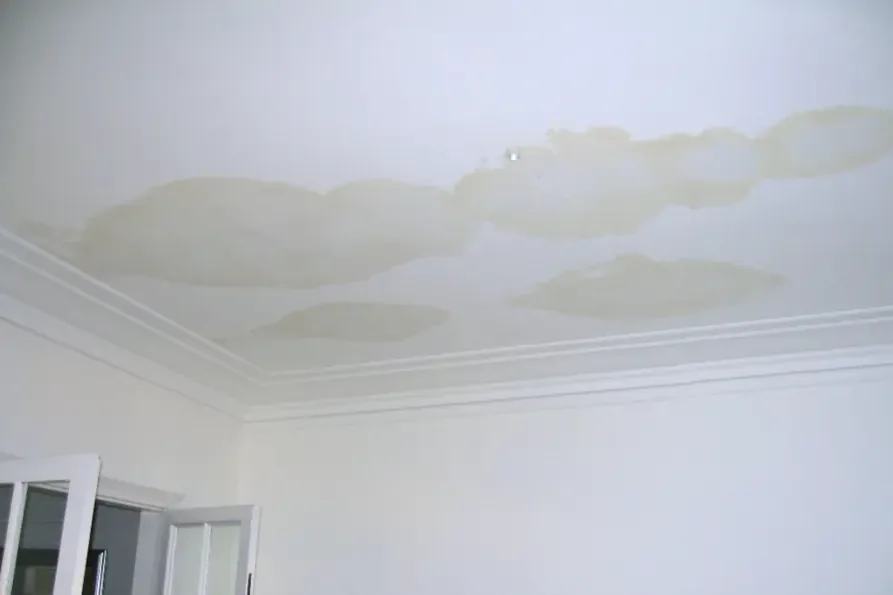
First steps for ac drain line and air handler leaks
- 1
Turn the AC off
Stop the unit so the pan stops filling.
- 2
Catch the drip
Set a bucket and towels under the wet spot.
- 3
Stay off ladders
Leave the attic and ceiling to the crew.
- 4
Photograph the stain
Take photos before anything is opened.
What does ac drain line and air handler leaks cost in Sun City Center, FL?
AC overflow water damage here usually costs between $800 and $12,000. A small ceiling stain caught early sits at the low end, while soaked insulation, a sagging ceiling or water across several rooms of carpet costs more.
Small stain, caught early
$800 to $2,500- Ceiling and attic checked
- Spot drying
- Moisture readings logged
Ceiling opened
$2,500 to $6,000- Wet insulation removed
- Drywall cut where sagging
- Air movers and LGR set
Ceiling and floors
$6,000 to $12,000- Closet and carpet dried
- Framing dried in place
- Full claim file
Ranges are typical, not a quote: the water category, square footage, material class and how fast drying started move the number most. The water damage cost calculator gives a closer planning range.
How ac drain line and air handler leaks is handled here
Dispatch at any hour
Night, weekend or holiday, an active leak is treated as urgent and the extraction crew is sent to stop the spread.
Dried to IICRC S500
Structural drying, not a surface wipe: equipment stays until the readings say dry, not until the floor looks dry.
A file the adjuster can use
A moisture map, daily readings and timestamped photos taken before any demolition go into one claim file.
Built for single-story living
Furniture is lifted and blocked, walkways are kept clear and the household is walked through each step in plain words.
The ac drain line and air handler leaks process, step by step
- 1
Find the wet zone
Meters trace water from the unit down.
- 2
Remove what is soaked
Wet insulation and sagging drywall come out.
- 3
Dry the cavity
Air movers and dehumidifiers run on the zone.
- 4
Read it dry
Daily logs until the dry reference.
In humid Gulf Coast air an AC system pulls water out of the air for most of the year, and all of it has to leave through a small condensate drain. When algae or debris blocks that drain, the pan fills and spills. An air handler in the attic sends that water into the ceiling below; one in a hall or utility closet sends it into carpet and wall bottoms.
Signs the AC is leaking
A brown ring on the ceiling near a vent or light, water in the secondary pan, a musty smell from the registers, or a damp carpet edge outside the AC closet are the common clues. A float switch that shut the unit off is another sign the pan was full.
Drying from the air handler down
An HVAC technician clears the drain and repairs the pan. The drying team then checks the attic insulation, the ceiling drywall, the framing and the floor below with meters. Soaked insulation is bagged and removed, ceiling drywall that sagged is cut out, and the rest is dried with air movers and LGR dehumidifiers until readings sit within 2 to 4 points of a dry reference.
Keeping the next overflow small
A cleared drain and a float switch on the pan prevent most repeat losses. The Energy Saver home cooling pages cover AC upkeep, and the EPA WaterSense leak page helps spot other slow leaks in the home.
Related water damage services
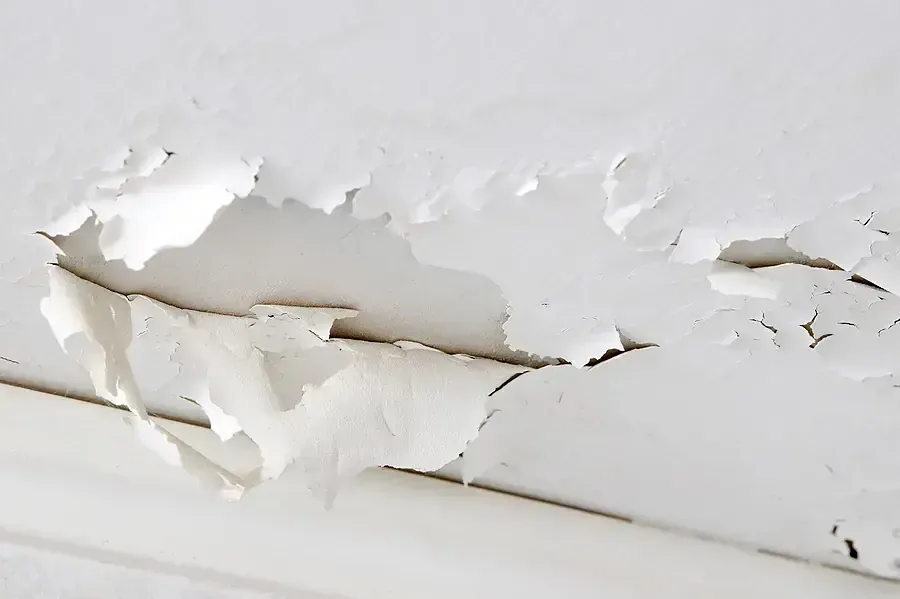 Roof Leak Water DamageTile and shingle roof leaks traced to the wet attic, insulation pulled and ceilings dried in place.
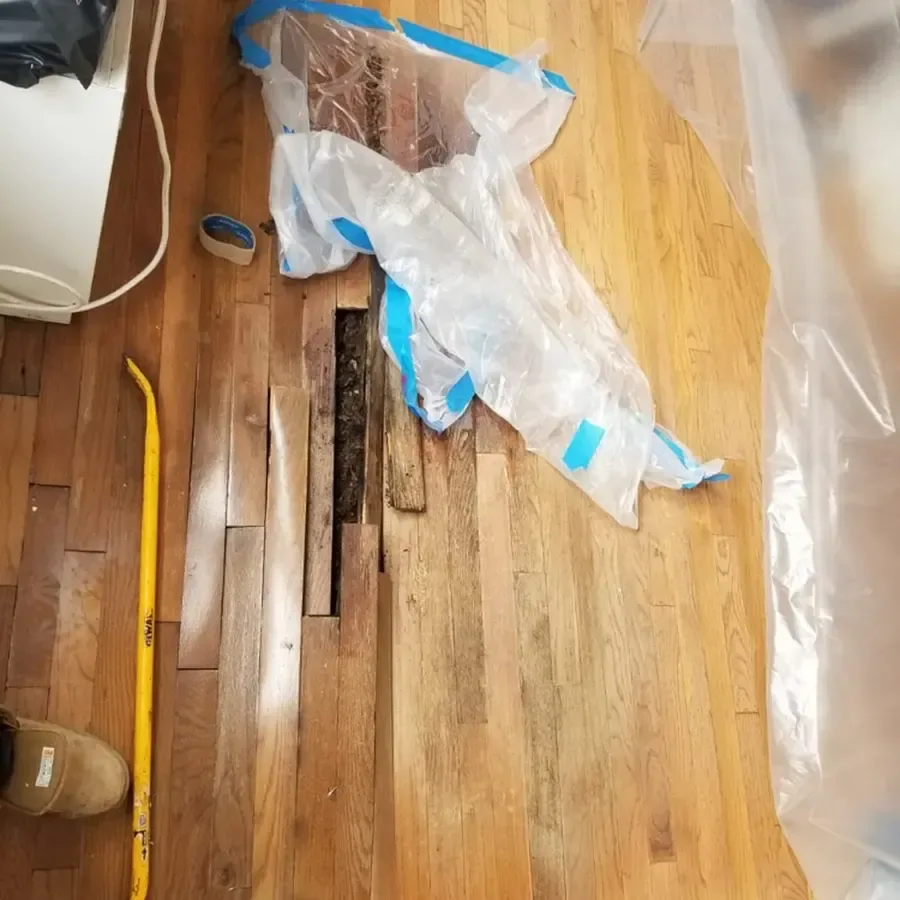 Structural Drying and DehumidificationFraming, drywall, cabinets and slab dried to within 2 to 4 points of a dry reference in humid air.
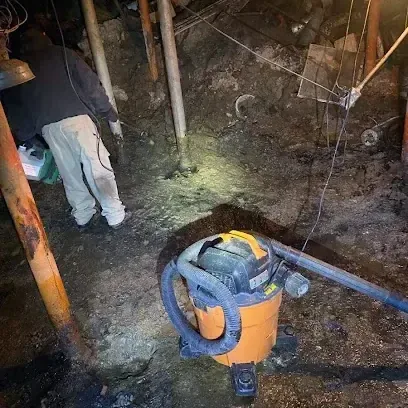 Emergency Water ExtractionStanding water pulled from tile, carpet and laminate before it wicks under baseboards and into drywall.
Ac drain line and air handler leaks across southern Hillsborough County
The restoration team covers ZIP 33571 and 33573, from Kings Point and Freedom Plaza to Ashton Gardens, the Pebble Beach Boulevard area and the homes along Cypress Creek, out to the U.S. 301 side.
Nearby coverage reaches Ruskin, Wimauma, Apollo Beach, Balm and Gibsonton.
AC Drain Line and Air Handler Leaks questions in Sun City Center, FL
Why does an AC leak water into the ceiling?
The condensate drain carries water the AC pulls out of the air. When the drain clogs or the pan rusts, the water overflows. An attic unit sends it straight into the ceiling below.
Is AC leak water clean?
Condensate starts fairly clean but picks up dust, algae and debris from the pan and drain, so it is usually treated as Category 2 gray water, with extra care for soaked insulation and pad.
Does wet ceiling drywall always come out after an AC leak?
No. Drywall that is damp but firm can often be dried in place. Drywall that sags, crumbles or held water for days is cut out and replaced after the framing is dry.
How long does AC leak drying take?
Most AC overflow losses dry in three to five days once the drain is cleared. Wet insulation is removed rather than dried, which speeds up the ceiling and framing.
Does insurance cover AC leak water damage?
Sudden overflow damage is often covered, while the AC repair and long-term leaks may not be. Coverage depends on your own policy, so check with your insurer.
Still dealing with it? Stain growing on the ceiling by the vent? The drying team can check it tonight.
(888) 621-2041Ask about drying the AC closetAC overflow soaking the ceiling? Get it dried before it sags.
An overflowing pan keeps adding water until the drain is cleared. Fast drying keeps the ceiling in place.