Hurricane and Tropical Storm Water in Sun City Center, FL
Wind-driven rain finds its way past sliders, windows, soffits and lanai doors. Once the storm passes, the storm response crew extracts the water, maps the wet walls and ceilings and dries the structure while the claim file is built.
(888) 621-2041Rain blew in past the sliders? Phone now
First steps for hurricane and tropical storm water
- 1
Wait for safety
Stay inside until the storm and any flooding pass.
- 2
Mind the power
Keep away from wet outlets and downed lines outside.
- 3
Photograph each room
Take photos and video before cleanup starts.
- 4
Phone for drying
Water inside walls needs drying within the day.
What does hurricane and tropical storm water cost in Sun City Center, FL?
Storm water damage here typically costs between $2,000 and $40,000. Rain through one slider caught early sits at the low end, while wet ceilings, several rooms or storm water from outside cost more because more material comes out.
One opening, caught early
$2,000 to $6,000- Extraction and baseboards off
- Wall bottoms dried
- Moisture map
Several rooms or ceilings
$6,000 to $15,000- Ceiling drywall checked
- Flood cuts where wet
- LGR and air movers
Major storm loss
$15,000 to $40,000- Category 3 handling
- Porous materials removed
- Full claim documentation
Ranges are typical, not a quote: the water category, square footage, material class and how fast drying started move the number most. The water damage cost calculator gives a closer planning range.
How hurricane and tropical storm water is handled here
Dispatch at any hour
Night, weekend or holiday, an active leak is treated as urgent and the extraction crew is sent to stop the spread.
Dried to IICRC S500
Structural drying, not a surface wipe: equipment stays until the readings say dry, not until the floor looks dry.
A file the adjuster can use
A moisture map, daily readings and timestamped photos taken before any demolition go into one claim file.
Built for single-story living
Furniture is lifted and blocked, walkways are kept clear and the household is walked through each step in plain words.
The hurricane and tropical storm water process, step by step
- 1
Triage the home
Active water and wet ceilings come first.
- 2
Extract and open
Water pulled, wet wall bottoms opened.
- 3
Dry in humid air
LGR dehumidifiers run with the air movers.
- 4
Document it
Readings and photos go to the claim file.
Summer tropical storms and thunderstorms bring the heaviest rain of the year to southern Hillsborough County. Wind pushes that rain sideways, so it gets in where the roof never leaked: around sliding doors, window frames, soffit vents and lanai doors. The water runs down inside the wall and soaks the bottom of the drywall and the carpet edge.
Wind-driven rain vs rising water
Rain blown in through an opening is handled differently from water rising from outside. Clean rainwater that came through a slider is often Category 1 or 2 and can be dried in place if extraction starts early. Water that flowed in across the ground is Category 3 and is handled on the flood water cleanup side, with porous materials removed.
Drying after the storm passes
The storm response crew maps the wet walls and ceilings with thermal imaging, pulls standing water and removes baseboards where wall bottoms are wet. Air movers and LGR dehumidifiers run until readings sit within 2 to 4 points of a dry reference. After a big storm many homes are wet at once, so the drying plan is set by priority: active water and wet ceilings first.
Before the next storm
Photos of each room before storm season make a claim easier. Ready.gov hurricane planning covers preparation, and the Hillsborough County flood zone lookup shows a property's mapped flood risk.
Related water damage services
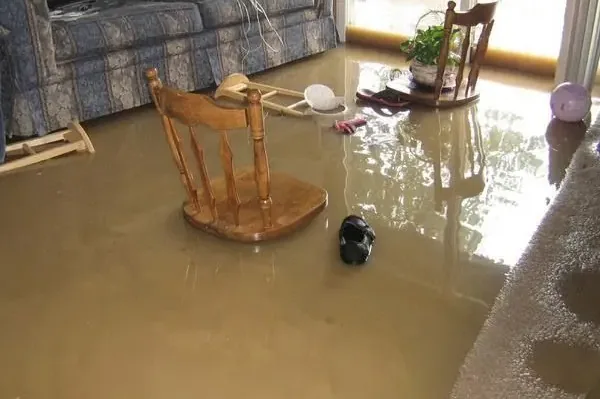 Flood Water CleanupRising water from ponds, ditches and low streets handled as contaminated, extracted and dried out.
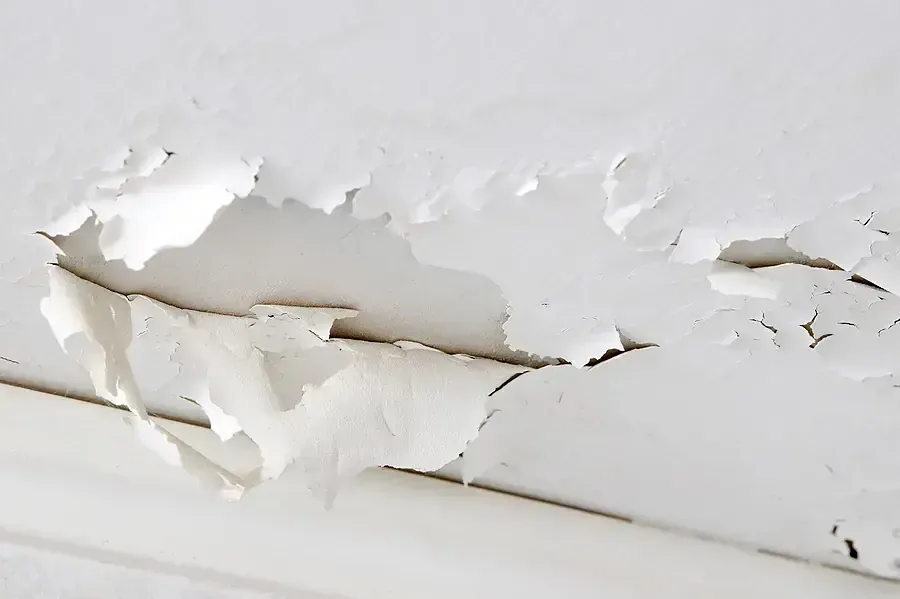 Roof Leak Water DamageTile and shingle roof leaks traced to the wet attic, insulation pulled and ceilings dried in place.
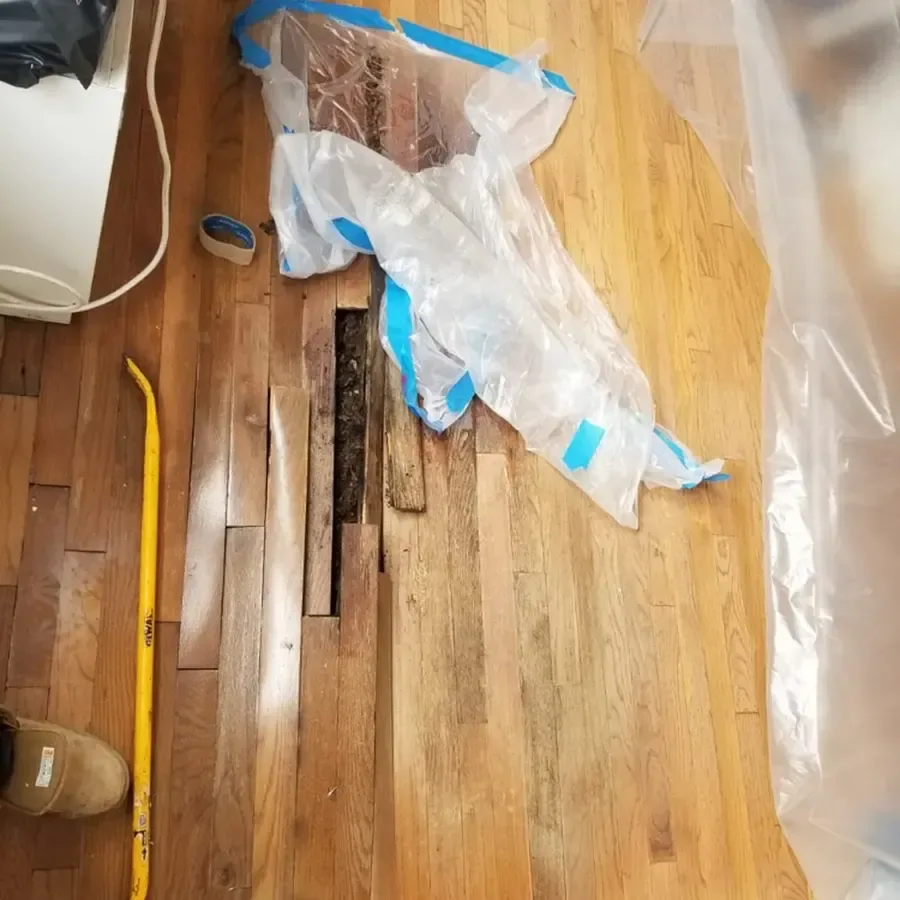 Structural Drying and DehumidificationFraming, drywall, cabinets and slab dried to within 2 to 4 points of a dry reference in humid air.
Hurricane and tropical storm water across southern Hillsborough County
The restoration team covers ZIP 33571 and 33573, from Kings Point and Freedom Plaza to Ashton Gardens, the Pebble Beach Boulevard area and the homes along Cypress Creek, out to the U.S. 301 side.
Nearby coverage reaches Ruskin, Wimauma, Apollo Beach, Balm and Gibsonton.
Hurricane and Tropical Storm Water questions in Sun City Center, FL
Is hurricane rain damage covered by homeowners insurance?
Wind-driven rain that entered through storm damage is often handled under the windstorm part of a policy, while rising flood water usually needs a flood policy. Check your own policy with your insurer.
What should I do after hurricane water gets inside?
Stay safe until the storm passes, keep away from wet outlets, take photos and video of every room, then phone so extraction and drying can start.
How is wind-driven rain different from flood water?
Wind-driven rain enters through openings and is usually cleaner. Flood water rises from outside, carries contaminants and is treated as Category 3, so porous materials it touched are removed.
How long does drying take after a tropical storm?
Most storm losses dry in three to seven days. Humid air after a storm slows drying, so dehumidifiers matter as much as fans, and equipment stays until readings say dry.
Can drying start if the power is out after a storm?
Drying equipment needs power, so the crew plans around the outage, starting with extraction and removal of soaked materials, then setting air movers and dehumidifiers once power is available.
Still dealing with it? Storm passed but the walls are still wet? The crew can map them today.
(888) 621-2041Ask about wind-driven rain dryingStorm water inside the house? Get the drying moving after the rain.
Rain trapped inside a wall stays wet for weeks in humid air. Early drying keeps the drywall.