Water Damage Restoration in Gibsonton, FL
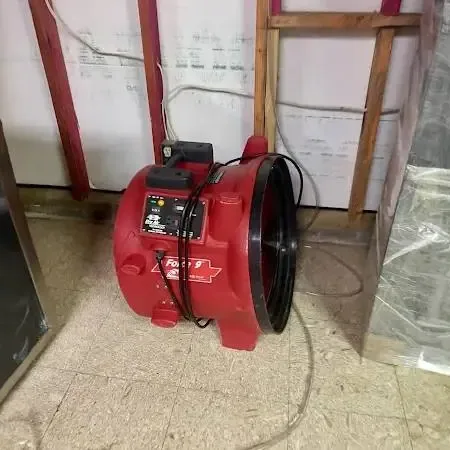
Burst pipes, roof leaks, failed water heaters and storm water can soak a home here very quickly. Crews pull out the standing water, map where the moisture traveled and run drying equipment until walls, floors and framing test dry.
(888) 621-2041Get a crew moving on the waterMoisture readings and photos are kept for every job, so an insurance adjuster sees the whole picture.
What To Do While Waiting for the Crew
- Stop the water Close the main valve or the valve at the appliance. If water is near outlets or the panel, leave the power off and stay out.
- Call for a crew Describe what leaked, which rooms are wet and whether the water looks clean or dirty, so the crew brings the right pumps.
- Photograph everything Take wide and close photos of the water, the damaged belongings and the source before anything moves.
- Lift what you can Move rugs, small furniture and electronics out of the wet area. Leave heavy pieces for the crew.
- Keep the air moving Open interior doors for airflow, but never run a household vacuum on standing water.
Dependable Water Restoration for the Community
The community sits near the mouth of the Alafia River at about 10 feet of elevation, so water problems here often come from rain as much as from plumbing.
Moisture mapped first
Readings on walls and floors show where water traveled, so drying equipment goes where it is needed and nowhere else.
Equipment sized to the job
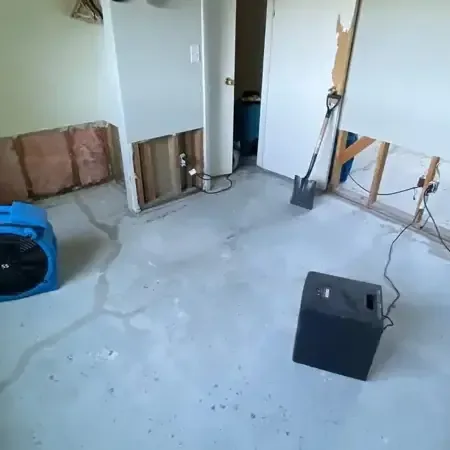
Air movers and dehumidifiers are matched to room volume and material, whether the property is a mobile home or a larger house.
Records for the claim
Photos, readings and drying logs are kept in order, which gives an adjuster the proof behind the scope of work.
Plain talk on cost
Typical ranges are printed on every service page, and the crew explains what moves a job from one tier to the next.
Water Damage Services for Local Homes
Every job starts with stopping the source and removing water, then moves through drying, cleanup and a final moisture check. Pick the service that matches what happened.
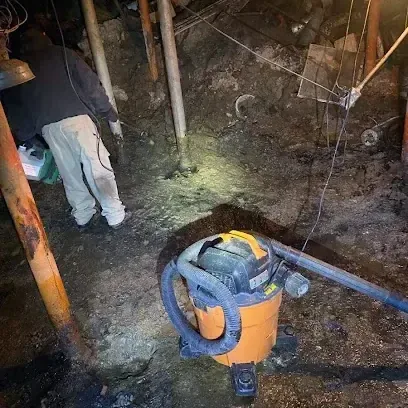 Emergency Water ExtractionPumps and wands pull standing water off floors before it reaches walls and cabinets.Read the details
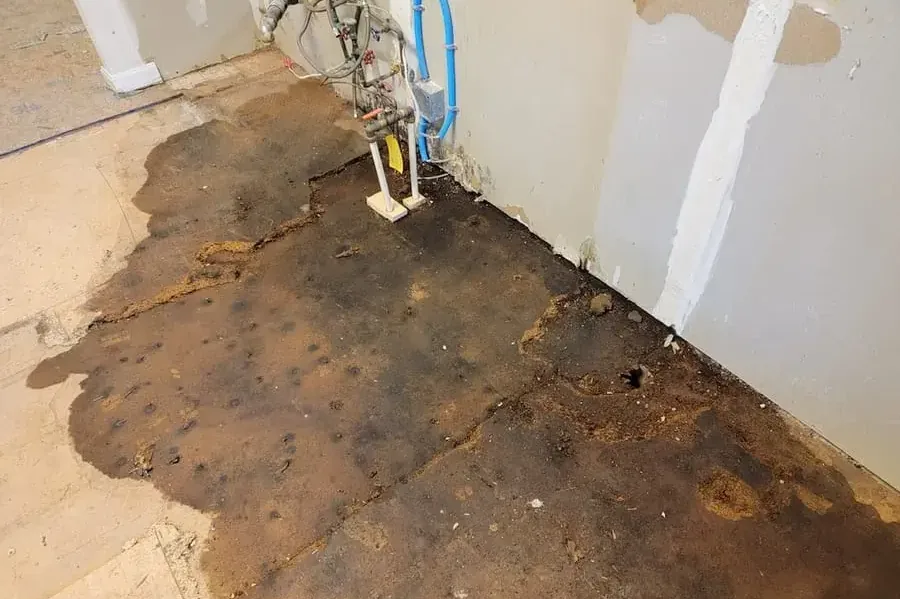 Slab Leak Water DamageLeaks under a concrete floor are traced, then wet flooring and wall bottoms are dried.Read the details
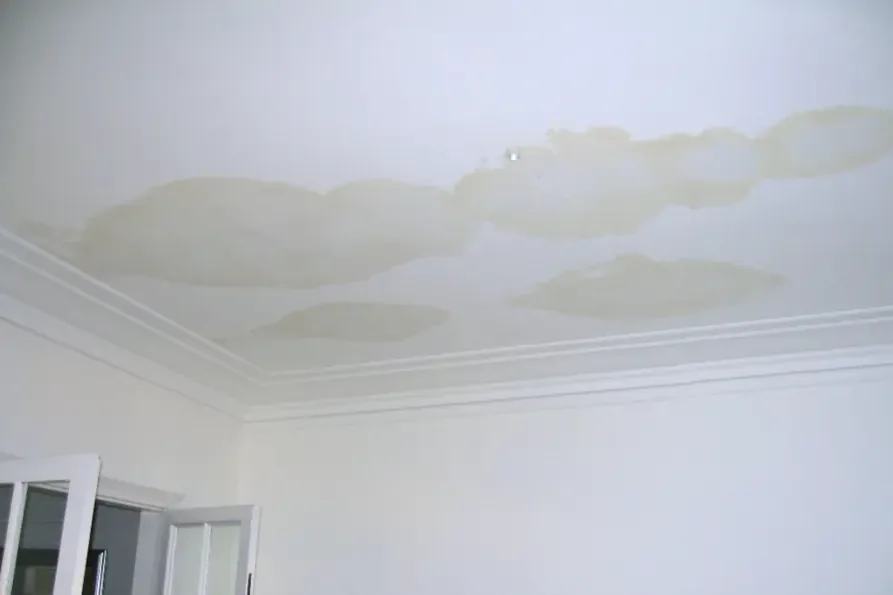 AC Drain Line and Air Handler LeaksClogged drain pans and air handler leaks soak ceilings, which are opened and dried.Read the details
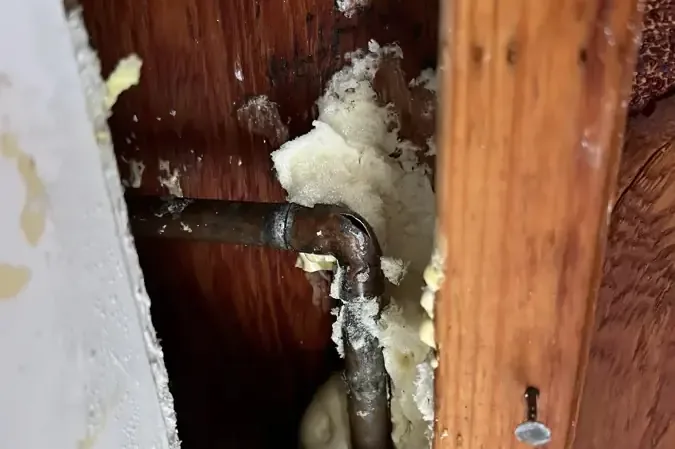 Burst and Pinhole Pipe LeaksA broken or pinhole pipe is shut off, the water removed and the wet walls dried out.Read the details
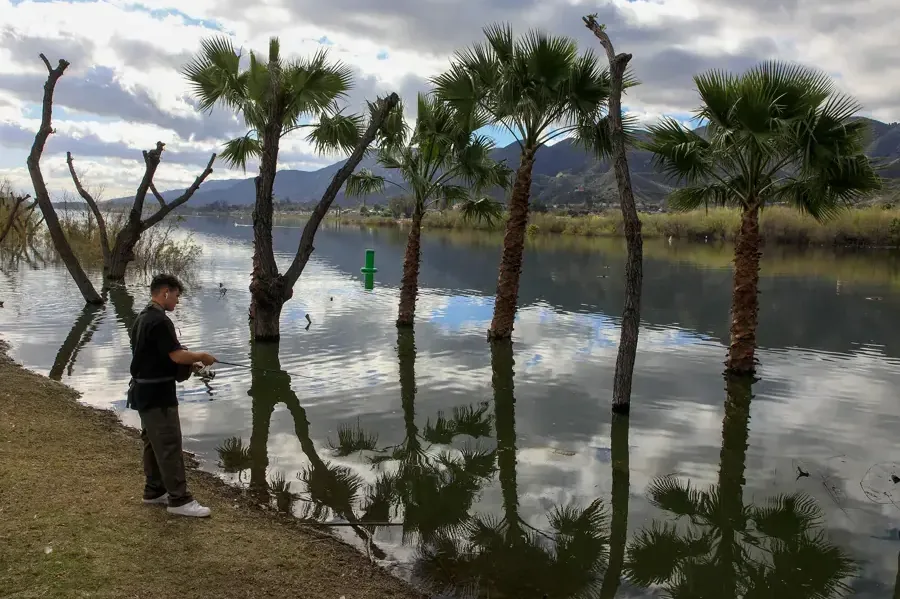 Hurricane and Tropical Storm WaterStorm water is extracted, then affected rooms are dried and cleaned.Read the details
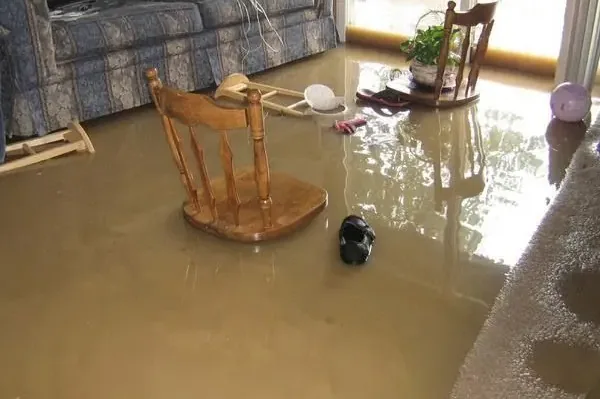 Flood Water CleanupHeavy rain water is removed from garages and living areas, then the structure is dried.Read the details
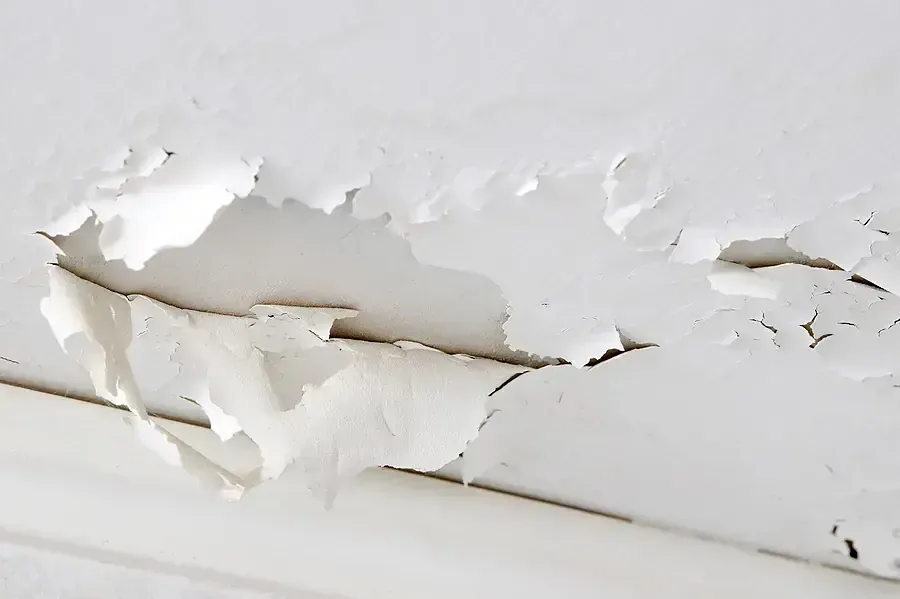 Roof Leak Water DamageRain that finds a way through the roof is traced, and soaked ceilings are dried.Read the details
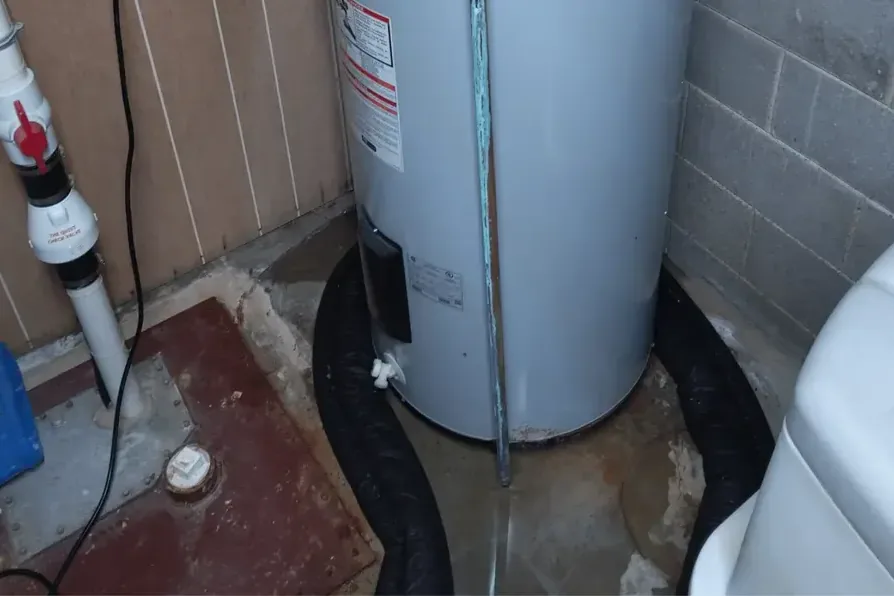 Water Heater Leak CleanupA failed tank is shut off, then the closet, garage or floors around it are dried.Read the details
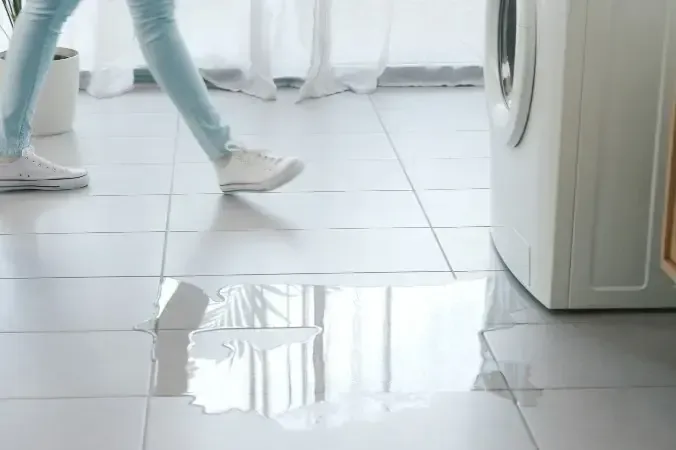 Appliance and Supply Hose LeaksWasher, dishwasher and refrigerator leaks are dried before cabinets and subfloors swell.Read the details
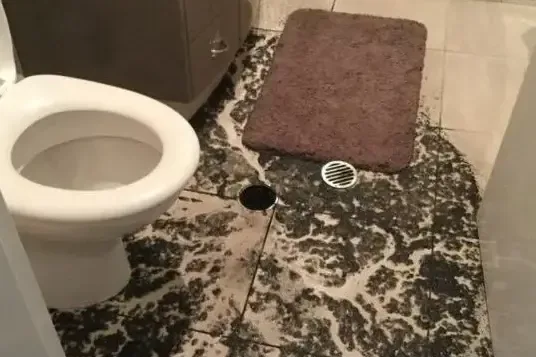 Sewage Backup CleanupBackups are cleaned in protective gear, and affected materials are removed.Read the details
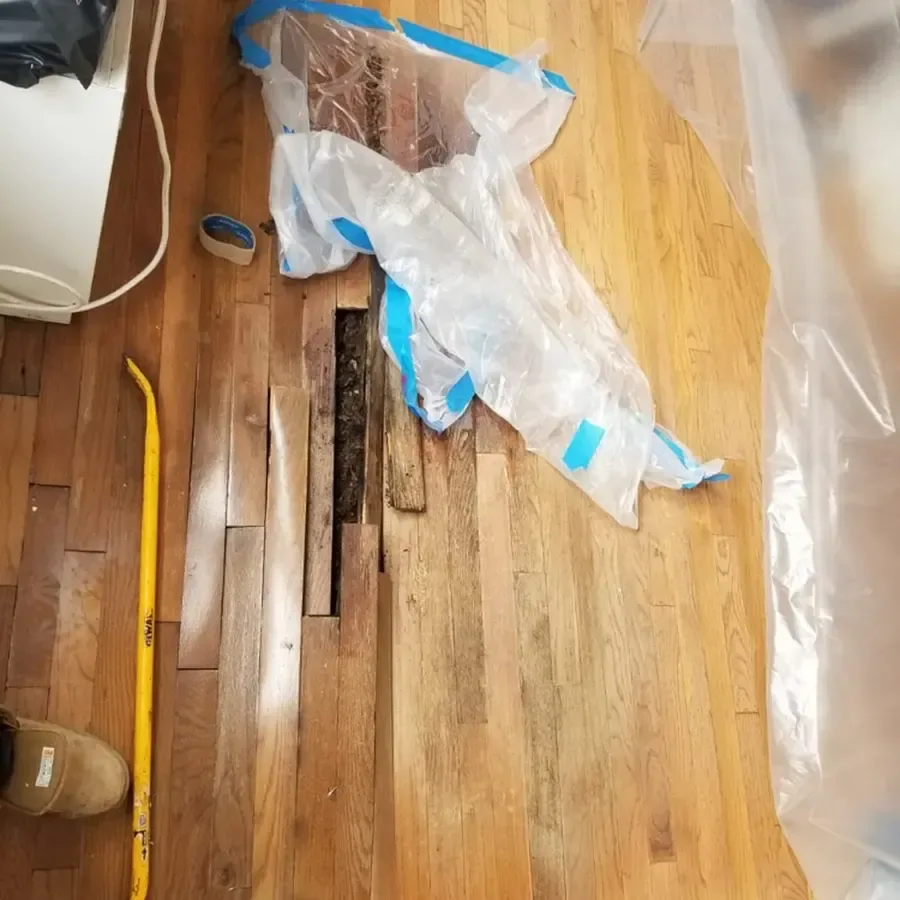 Structural Drying and DehumidificationMoisture mapping sets the drying plan for each building type, mobile homes included.Read the details
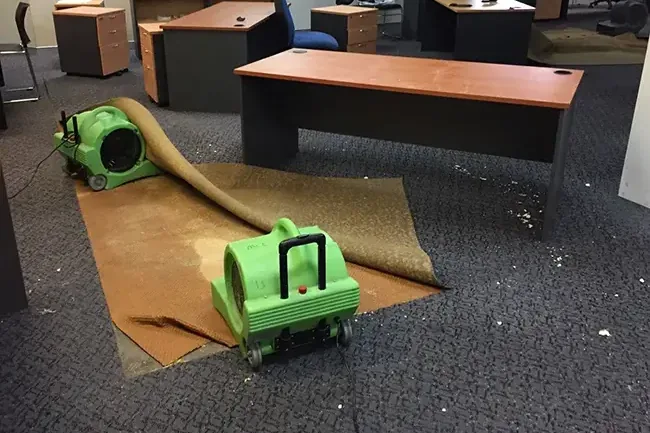 Commercial Water DamageShops and offices get fast water removal and drying so they can reopen sooner.Read the details
Not sure what kind of leak it is?Say where the water showed up and which rooms it reached. The response team works out the rest.(888) 621-2041
Planning calculatorsTypical cost and drying time ranges, plus a quick check of how likely an attic AC unit is to overflow.Try the calculators
Commercial Water DamageShops and offices get fast water removal and drying so they can reopen sooner.Read the details
Not sure what kind of leak it is?Say where the water showed up and which rooms it reached. The response team works out the rest.(888) 621-2041
Planning calculatorsTypical cost and drying time ranges, plus a quick check of how likely an attic AC unit is to overflow.Try the calculators
Where Local Water Damage Starts
Pipe and plumbing breaks
A split pipe behind a wall or under a vanity can spread water into several rooms before anyone notices a stain.
Read about pipe leaksRain and flood water
Heavy rain can fill driveways and garages and push water through doors, which calls for fast extraction and careful drying.
See flood cleanupAppliance and heater leaks
Washers, dishwashers and refrigerators fail slowly, then all at once, soaking floors and cabinet bases.
See appliance leaksWhat Water Damage Cleanup Costs
Most jobs land between $1,200 and $25,000, depending on how many rooms are wet, how long the water sat and whether it was clean or contaminated. A small, early job costs far less than a spread out loss.
Small and caught early
$1,200 to $3,500- Only one room affected
- Clean water source
- Short drying time needed
Several rooms involved
$3,500 to $9,000- Walls and floors wet
- Some materials removed
- Several drying days
Major or contaminated
$8,000 to $25,000- Whole floor or home
- Dirty or storm water
- Extended equipment time
Final cost depends on what the moisture readings show once the crew is on site. Insurance often covers sudden water losses, so ask the carrier what applies before work starts.
Working With Your Insurance Carrier
Sudden water losses are often covered, and the paperwork goes much smoother for everyone when evidence is gathered during the job rather than afterward.
- Photos of the source and the damage
- Moisture readings taken room by room
- Drying logs kept at every visit
- An itemized scope of the work done
- A list of any materials removed
What homeowners can do themselves
Report the loss to the carrier promptly and describe the damage plainly. Keep receipts for emergency purchases, and do not throw out damaged items until they are photographed.
Ask the carrier how the deductible applies and what separates a sudden loss from slow seepage. The crew supplies readings that show the water was recent.
A Repeatable Process for Every Job
Each job follows the same order so that no step is skipped: stop the source, remove the water, open and dry the structure, then confirm the result with moisture readings.
- 1
Assess
The crew finds the source, checks how far the water traveled and sorts the loss as clean, gray or contaminated before choosing equipment.
- 2
Extract
Pumps, wands and wet vacuums remove standing water first, because every gallon left behind has to be dried out of the structure later by equipment.
- 3
Dry
Air movers, dehumidifiers and, where needed, opened wall cavities pull moisture out of drywall, flooring, baseboards and framing over several days.
- 4
Verify
Final readings are compared with dry reference points from unaffected rooms, and the results are written up for the homeowner and the insurance carrier.
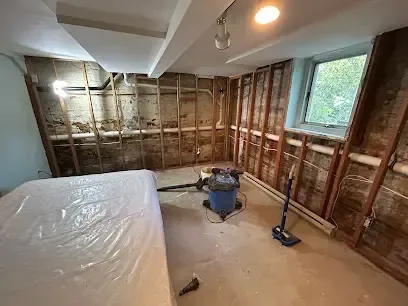
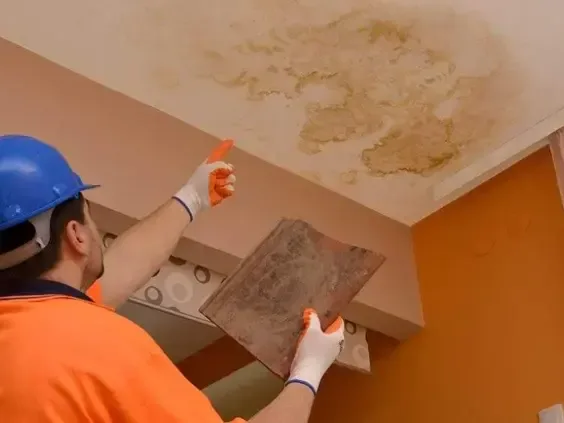
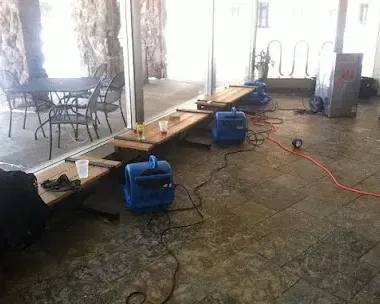
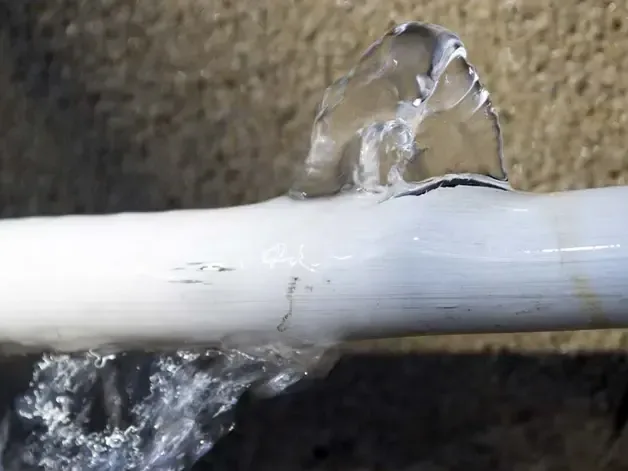
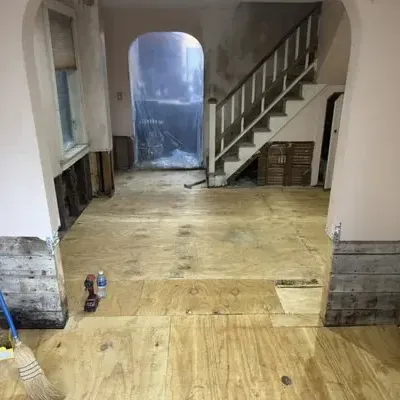
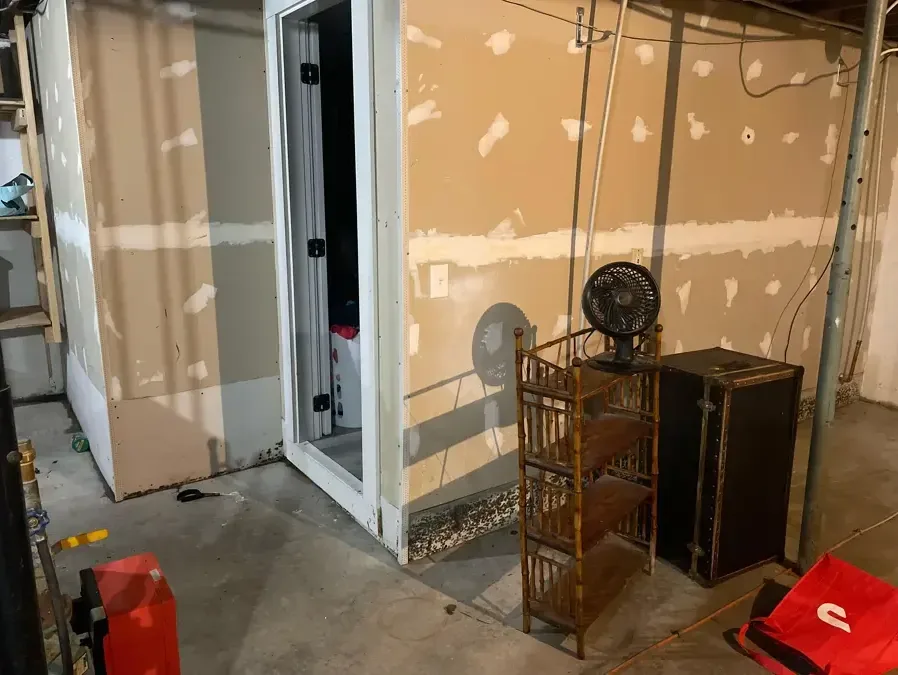
Water Damage Work in Progress
Where Crews Work Across the Area
Reach a Water Damage Crew in Gibsonton
Crews cover the community from the Alafia River mouth to the Hillsborough Bay shore, including East Tampa in the north and Adamsville in the south.
Houses, mobile home parks and shops along U.S. Route 41 all get the same drying standard.
Gibsonton, FL · [email protected]
(888) 621-2041Request a crew for your propertyZIP Code
Roads and landmarks
Nearby communities
What Puts Local Homes at Risk
Low ground near the Alafia River and Hillsborough Bay means rain and storms matter as much as plumbing here. Elevation is about 10 feet, and drainage can be slow after heavy downpours.

July 2015
FOX 13 reported 1 to 2 feet of water on several streets at the Eastwood Estates Mobile Home Park, with water creeping into homes.
- Street flooding after rain Neighbors at Eastwood Estates described the storm drains as bowls that hold water until it is pumped out or dries. Street flooding lingers for days.
- River and bay edges The Alafia River mouth sits within the community and Hillsborough Bay forms its western edge, so storm water has low ground to settle on.

Hurricane rain in the Alafia basin
In October 2024 Hurricane Milton dropped 16 inches of rain on the Alafia River area, per the Hillsborough sheriff, and deputies made at least 225 high water rescues in two days.
- Mobile homes and older systems About 1,846 mobile homes stand in the community, and water can travel under flooring before a stain shows. The median home dates to 2002.
- Plumbing and county rules Hillsborough County does not require a permit for stopping leaks in drain, water, soil, waste or vent pipe, but replacing a defective concealed pipe does.
Common Water Damage Questions
What should be done first when water floods a room?
Stop the source if it is safe, keep the power off near wet areas, and call a restoration crew. Photos of the water and the damage taken before anything moves will help the insurance claim later.
How long does drying usually take?
Most homes need several days of equipment time, depending on the materials and how much water soaked in. Daily moisture readings decide when the equipment can come out, not the calendar.
Is storm water different from a pipe leak?
Yes. Rain and flood water picks up dirt and bacteria from streets and yards, so porous materials such as carpet and padding are usually removed rather than dried. Clean supply leaks give far more of the home a chance to be saved.
Does Hillsborough County require a permit for pipe repairs?
The county does not require a permit for stopping leaks in drain, water, soil, waste or vent pipe. Replacing a defective concealed pipe with new material does need a county permit, so ask the plumber before work starts.
Are mobile homes dried differently?
The method is the same, but the plan changes. Lower walls, belly areas and thin floor systems need careful moisture mapping so equipment is placed where water actually traveled.
What if the water looks dirty or smells bad?
Treat it as contaminated. Keep children and pets out, avoid touching it, and let the crew handle removal with protective gear. Sewage and storm water both call for cleanup and sanitizing, not just drying.
Will insurance pay for this?
Many policies cover sudden water losses such as a burst pipe or a failed appliance, while slow seepage is often excluded. The carrier decides coverage, and the crew provides the readings and photos that support the claim.
Can a business be dried without closing?
Often part of it can stay open. Crews contain the wet area, run extraction and drying, and work around daily operations, which helps shops along U.S. Route 41 reopen sooner.
Should wet flooring be thrown out?
Not always. Hard surfaces and many subfloors dry in place, while soaked padding and swollen particle board usually go. Moisture readings, not appearance, settle what stays and what is replaced.
Why not just run fans and wait?
Fans alone move surface moisture around without removing it from drywall and framing. Without dehumidifiers and readings, hidden damp spots stay behind and can cause trouble later, including swollen trim and musty odors.
Water in the house now? Describe what happened and which rooms are wet, and a crew can start planning extraction and drying right now for you.
(888) 621-2041Speak with a restoration crewWater is spreading, so get a crew on the job today
Starting extraction early limits the damage to floors, walls and belongings, and shortens drying time.