Emergency Water Extraction in Gibsonton
The community sits near the Alafia River mouth at about 10 feet of elevation, and street flooding after rain is well documented. Crews pump and vacuum standing water out before it settles into walls and subfloors.
(888) 621-2041Get the water pumped out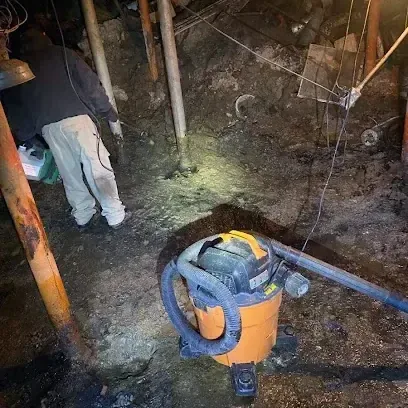
First steps for emergency water extraction
- 1
Confirm safety
The crew checks power, the water source and how deep the water stands.
- 2
Pump the deep water
Submersible pumps clear depths a wet vacuum cannot keep up with.
- 3
Extract the rest
Wands pull water from carpet, padding and hard floors until the surface stops shining.
- 4
Read the moisture
Meters show where water traveled, which sets the drying plan.
What does emergency water extraction cost in Gibsonton, FL?
Extraction alone is the smaller part of a water job. Clean water in one room typically runs $500 to $1,500, while dirty water or a large affected area climbs toward $10,000 once removal and drying are added.
One room, clean water
$500 to $1,500- Clean supply hose source
- Wands and vacuums
- Brief follow up
Several rooms
$1,500 to $4,000- Water past one doorway
- Padding cut out
- Air movers in each room
Large or dirty water
$4,000 to $10,000- Storm or gray water
- Protective gear used
- Extended drying
Ranges are typical, not a quote: the water category, square footage, material class and how fast drying started move the number most. The water damage cost calculator gives a closer planning range.
How emergency water extraction is handled here
Dispatch at any hour
Night, weekend or holiday, an active leak is treated as urgent and the extraction crew is sent to stop the spread.
Dried to IICRC S500
Structural drying, not a surface wipe: equipment stays until the readings say dry, not until the floor looks dry.
A file the adjuster can use
A moisture map, daily readings and timestamped photos taken before any demolition go into one claim file.
Built for single-story living
Furniture is lifted and blocked, walkways are kept clear and the household is walked through each step in plain words.
The emergency water extraction process, step by step
- 1
Arrival check
Safety, power and water depth are checked first.
- 2
Pump and vacuum
Deep water and shallow water are handled with the right tool.
- 3
Remove padding
Soaked padding and unsalvageable pieces come out.
- 4
Hand off to drying
Equipment is set and the moisture plan begins.
Water that sits on a floor does not stay there. It wicks into baseboards, drywall, padding and subfloor, and each passing hour makes the drying job bigger. Extraction is the first physical step of any water job, and it is the step that most changes the final cost.
Why speed matters here
Low ground near the Alafia River and Hillsborough Bay can hold water after heavy rain. Neighbors at Eastwood Estates described their storm drains as bowls that hold water until it is pumped out or dries, and slow drainage like that is how water ends up pushed under doors and into homes.
How the water comes out
The crew starts with submersible pumps when the water is deep, then switches to wands and wet vacuums for shallow water and carpet. Padding that cannot be saved is cut out and removed, because wet padding holds moisture long after the carpet above it feels drier. Rugs, small furniture and boxes on the floor are lifted out of the water so they stop absorbing it.
What follows extraction
Once the standing water is gone, moisture readings reveal what the surface hides, including damp wall bases, wet cabinet kicks and swollen trim that look fine at a glance. Air movers and dehumidifiers go in, and the job continues as structural drying until wet materials reach their dry reference. Larger losses are covered under flood water cleanup.
Related water damage services in Gibsonton
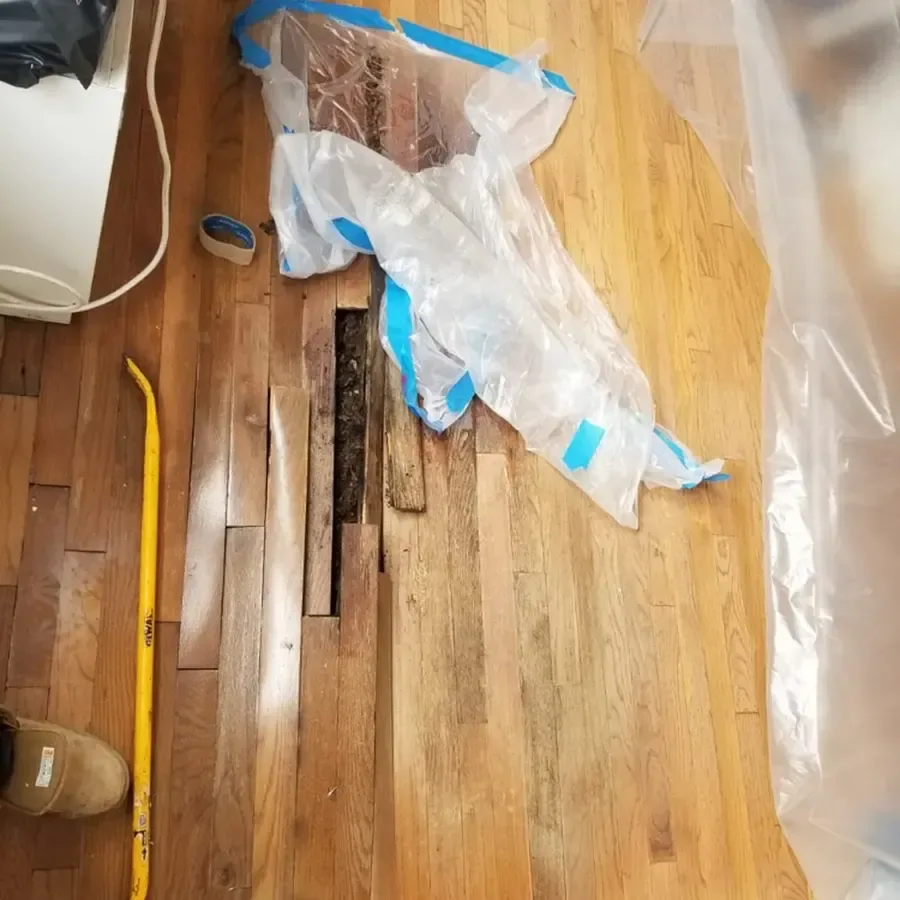 Structural Drying and Dehumidification in GibsontonFraming, drywall, cabinets and slab dried to within 2 to 4 points of a dry reference in humid air.
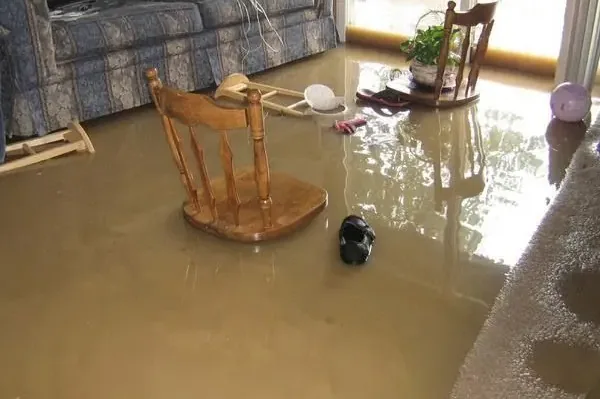 Flood Water Cleanup in GibsontonRising water from ponds, ditches and low streets handled as contaminated, extracted and dried out.
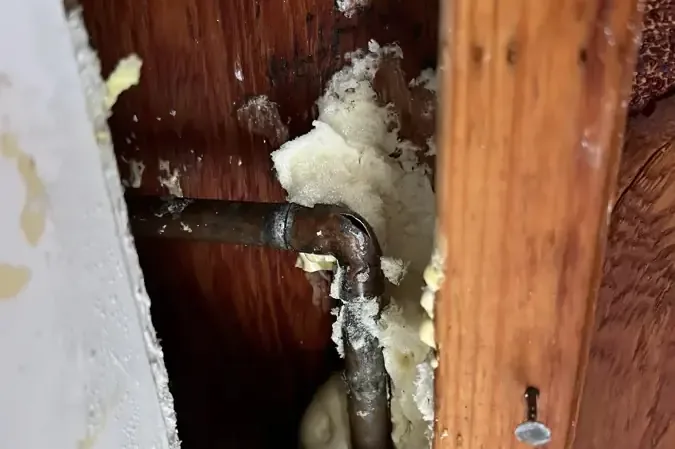 Burst and Pinhole Pipe Leaks in GibsontonSupply line failures inside walls, ceilings and vanities opened, extracted and dried from the cavity out.
Emergency Water Extraction in Sun City CenterStanding water pulled from tile, carpet and laminate before it wicks under baseboards and into drywall.
Water damage restoration in Gibsonton
Burst and Pinhole Pipe Leaks in GibsontonSupply line failures inside walls, ceilings and vanities opened, extracted and dried from the cavity out.
Emergency Water Extraction in Sun City CenterStanding water pulled from tile, carpet and laminate before it wicks under baseboards and into drywall.
Water damage restoration in Gibsonton
Emergency water extraction across Gibsonton and nearby
Extraction crews work throughout ZIP 33534, from East Tampa north of the Alafia River to Adamsville in the south, the Eastwood Estates Mobile Home Park and the homes and shops along U.S. Route 41.
The same service nearby: emergency water extraction in Sun City Center, Apollo Beach, Ruskin.
Emergency Water Extraction questions in Gibsonton, FL
How soon does extraction need to happen?
As soon as possible. Water starts moving into drywall and subfloor right away, and the longer it sits the more materials need replacing instead of drying.
Can a wet vacuum from a hardware store do the job?
It helps with a small spill, but it cannot pull water out of padding or reach under cabinets. Crews use pumps and wands that move far more water, then verify with a meter.
Is carpet always thrown away after extraction?
No. Carpet from a clean water source can often be saved if the padding is removed and the carpet is dried quickly. Dirty water usually means replacement.
Does extraction work in a mobile home?
Yes. The same tools are used, with extra care for thin floors and low walls where water hides. Readings show whether water traveled below the visible floor.
Will insurance cover extraction?
Many policies cover sudden water losses, including the cost of removing the water. The carrier makes that call, and the crew documents the work with photos and readings.
Still dealing with it? Standing water in the house or garage right now? Describe it and a crew can start planning the pump out.
(888) 621-2041Describe the standing waterWater is still standing, so move now
Extraction should start before the water reaches walls, cabinets and the next room. Call any hour and tell the crew where the water is.