Emergency Water Extraction in Ruskin, FL
Pumps and wet vacuums pull standing water off floors, out of garages and from under carpet before it wicks into drywall and framing. The crew then meters what stayed wet and sets the drying plan.
(888) 621-2041Water on the floor now? Start the pump out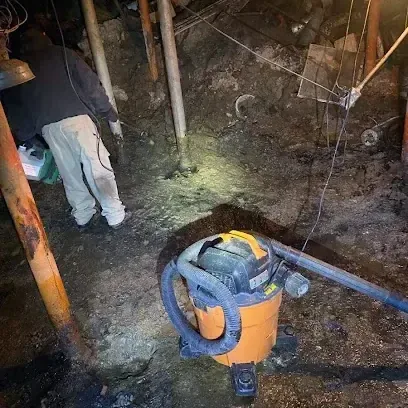
First steps for emergency water extraction
- 1
Stop the source
Close the supply valve, or the breaker only if the area is dry.
- 2
Lift small items
Move rugs, electronics and papers off the wet floor.
- 3
Skip the shop vacuum
Deep water near outlets calls for a trained crew.
- 4
Photograph the water
Take pictures before anything is removed for the claim.
What does emergency water extraction cost in Ruskin, FL?
Emergency water extraction in the area usually costs $500 to $10,000. A clean spill in one room sits at the low end, while several rooms or dirty water from outside costs more because more volume, pad and drywall are involved.
One room, clean water
$500 to $1,500- Pump and extractor pass
- Pad checked
- Readings logged
Several rooms
$1,500 to $4,000- Every wet room extracted
- Pad and baseboards pulled
- Drying plan set
Large or dirty water
$4,000 to $10,000- Deep water pumped out
- Contaminated material removed
- Surfaces sanitized
Ranges are typical, not a quote: the water category, square footage, material class and how fast drying started move the number most. The water damage cost calculator gives a closer planning range.
How emergency water extraction is handled here
Dispatch at any hour
Night, weekend or holiday, an active leak is treated as urgent and the extraction crew is sent to stop the spread.
Dried to IICRC S500
Structural drying, not a surface wipe: equipment stays until the readings say dry, not until the floor looks dry.
A file the adjuster can use
A moisture map, daily readings and timestamped photos taken before any demolition go into one claim file.
Built for single-story living
Furniture is lifted and blocked, walkways are kept clear and the household is walked through each step in plain words.
The emergency water extraction process, step by step
- 1
Assess the water
Depth, source and water type are noted first.
- 2
Pump and extract
Pumps clear depth and extractors pull water from pad.
- 3
Meter the structure
Walls and floors are mapped for hidden moisture.
- 4
Hand off to drying
Equipment goes in once standing water is gone.
In 2024, Hurricane Debby put feet of water inside homes in the Ruskin area, and one family reported more than four feet. That is the extreme case. Most extraction jobs are smaller, such as a washer flood or a failed supply hose, but the first task is the same: get the water out before it spreads into the walls, the cabinets and the floor beneath. Fast removal is the single biggest factor in how much has to be torn out later.
Why water comes out first
The longer water sits, the more it climbs into drywall bottoms, baseboards, carpet pad and cabinet toes. Removing the bulk volume with pumps and extraction wands lowers the load on the drying equipment and keeps the whole job smaller.
What the equipment does
Submersible pumps handle deep water, while weighted extractors press water out of carpet and pad. Hard floors get squeegees and wet vacuums, and tile or sealed concrete usually needs nothing more than a thorough pass. Once the standing water is gone, moisture meters and a thermal camera show which walls, subfloors and cabinets still hold water.
After a big storm
Floodwater from outside carries soil and bacteria, so it is treated differently from a clean supply leak. Porous items such as pad and low drywall often have to go. One local family said their garage floods first and the house follows, so garage floors are usually where the pump goes first.
Related water damage services in Ruskin
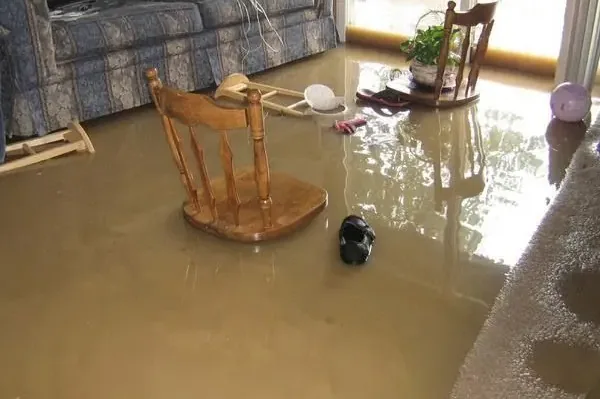 Flood Water Cleanup in RuskinRising water from ponds, ditches and low streets handled as contaminated, extracted and dried out.
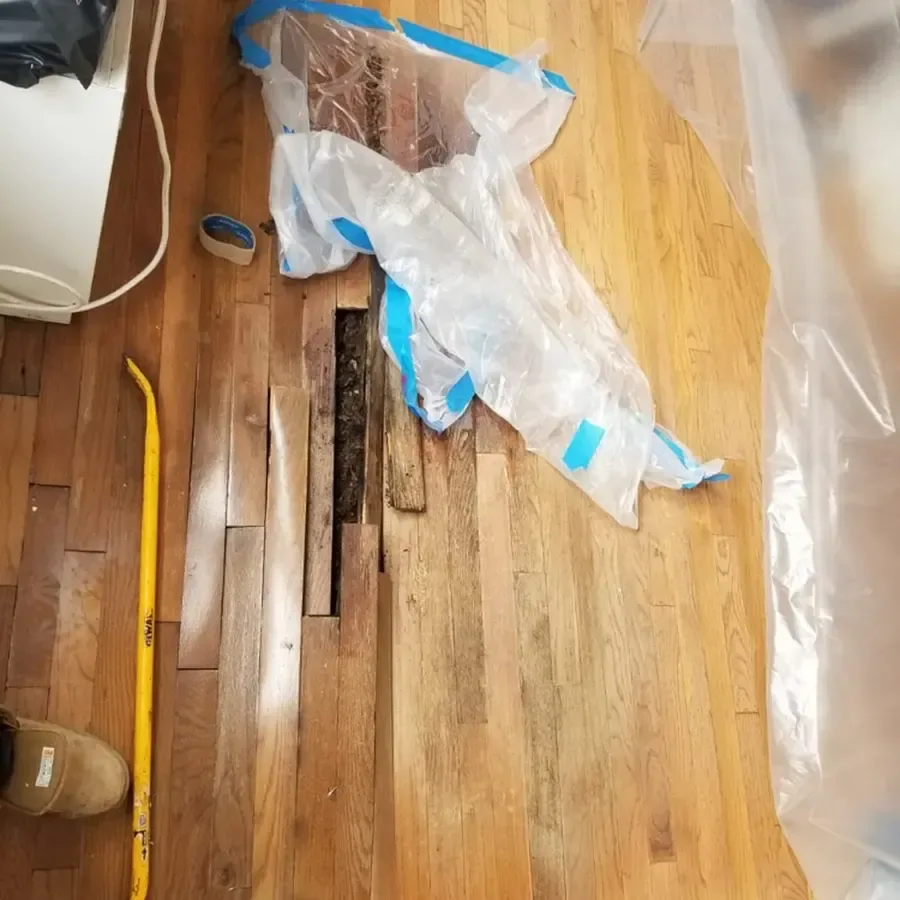 Structural Drying and Dehumidification in RuskinFraming, drywall, cabinets and slab dried to within 2 to 4 points of a dry reference in humid air.
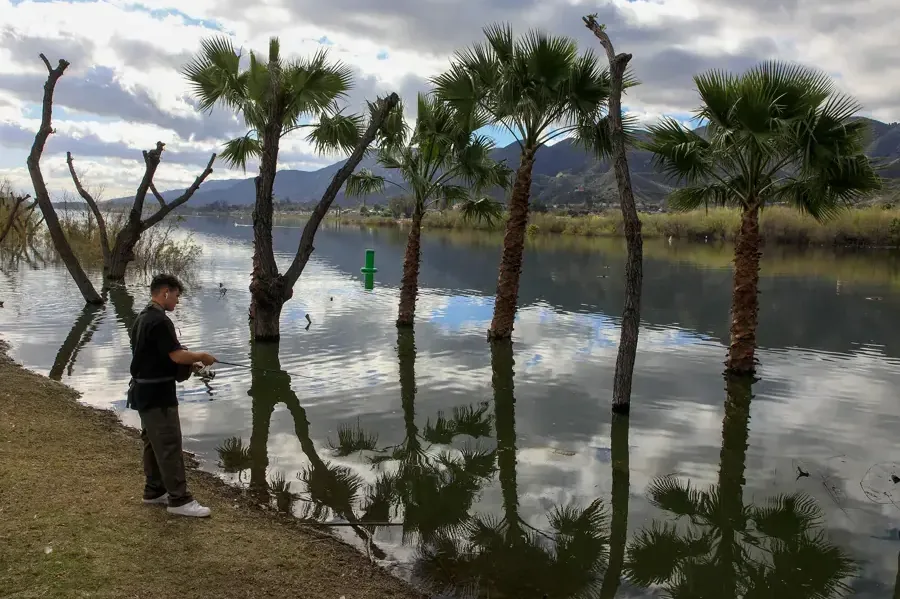 Hurricane and Tropical Storm Water in RuskinWind-driven rain through sliders, windows, soffits and lanai doors extracted and dried after the storm.
Emergency Water Extraction in Sun City CenterStanding water pulled from tile, carpet and laminate before it wicks under baseboards and into drywall.
Water damage restoration in Ruskin
Hurricane and Tropical Storm Water in RuskinWind-driven rain through sliders, windows, soffits and lanai doors extracted and dried after the storm.
Emergency Water Extraction in Sun City CenterStanding water pulled from tile, carpet and laminate before it wicks under baseboards and into drywall.
Water damage restoration in Ruskin
Emergency water extraction across Ruskin and nearby
Pump out crews reach ZIP 33570, from Little Harbor, Antigua Cove and Southshore Yacht Club near the water to Hawks Point, Bahia Lakes and River Bend inland, along with homes off U.S. Route 41.
The same service nearby: emergency water extraction in Sun City Center, Apollo Beach, Wimauma.
Emergency Water Extraction questions in Ruskin, FL
How quickly does water spread into drywall?
Water wicks up drywall and into baseboards soon after it spreads, which is why pumping comes before anything else. Acting early often keeps a wet floor from becoming a wall and cabinet repair.
Can I just use a wet vacuum myself?
A household wet vacuum can handle a small spill. Deep water, water near outlets or anything from outside the home is a job for pumps and a trained crew, since wet pad and walls still need metering.
Is floodwater handled differently from a leak?
Yes. Water that came in from outside or from a drain may carry bacteria, so it is treated as contaminated, and carpet pad and low drywall often come out instead of being dried.
Does extraction include drying?
Extraction removes the standing water. Drying with air movers and dehumidifiers is the next stage, and many jobs run both together under one plan.
What should I photograph for insurance?
Take wide and close photos of the water depth, the source and damaged items before removal. The crew also logs moisture readings, which adds support for the claim.
Still dealing with it? Water still standing in the house? The pumps can start today.
(888) 621-2041Describe the standing waterPull the water out before it spreads
Standing water soaks into walls and pad the longer it stays. A quick extraction pass keeps the job smaller.