Structural Drying and Dehumidification in Sun City Center, FL
Structural drying removes the water held inside framing, drywall, cabinets and concrete. The drying team sizes air movers and LGR dehumidifiers to each room, logs readings every day and leaves the equipment until the structure reads dry.
(888) 621-2041Floors still damp days later? Get readings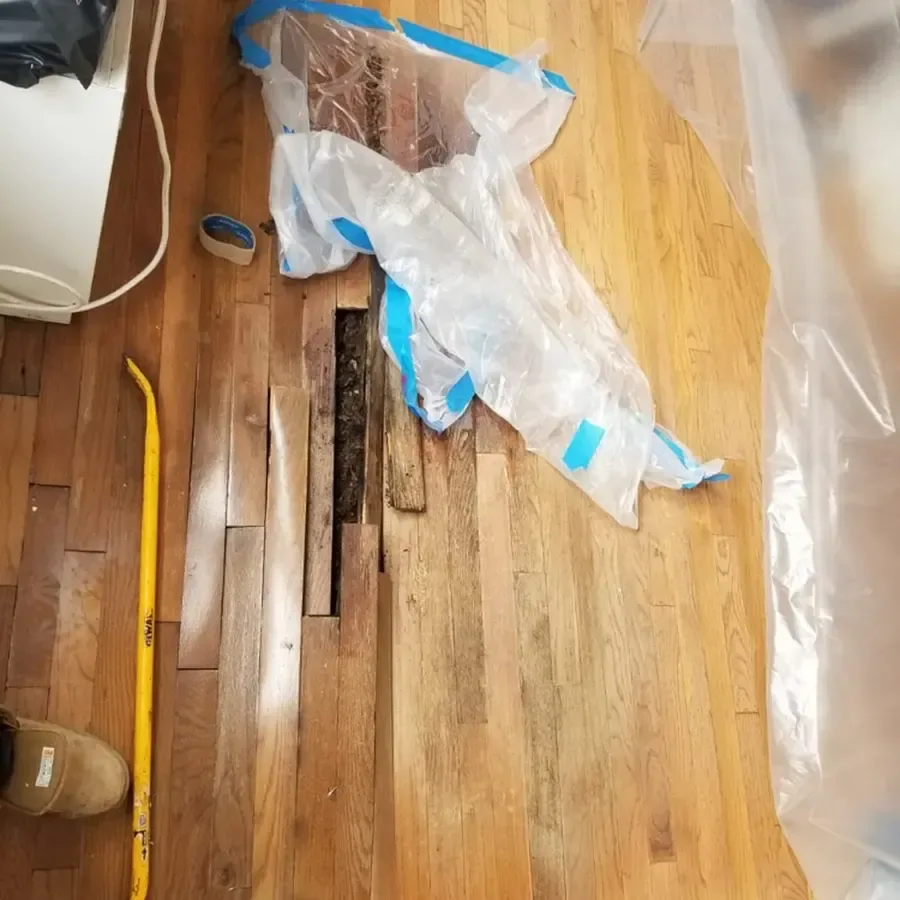
First steps for structural drying and dehumidification
- 1
Keep the AC on
A cool, steady indoor temperature helps drying.
- 2
Leave equipment running
Do not switch off air movers or dehumidifiers.
- 3
Keep doors as set
The crew sets doors to control the airflow.
- 4
Note any changes
Report new stains or smells to the crew.
What does structural drying and dehumidification cost in Sun City Center, FL?
Structural drying here typically costs between $1,500 and $25,000. A single room of Class 2 drying sits at the low end, while Class 4 drying of a slab, cabinets or several rooms costs more because equipment runs longer.
One room, Class 2
$1,500 to $4,000- Air movers and one LGR
- Daily readings
- Three to four days
Several rooms
$4,000 to $10,000- Multiple LGR units
- Cabinet and wall drying
- Psychrometric logs
Class 4 or whole home
$10,000 to $25,000- Slab and wood drying
- Desiccant where needed
- Full claim file
Ranges are typical, not a quote: the water category, square footage, material class and how fast drying started move the number most. The water damage cost calculator gives a closer planning range.
How structural drying and dehumidification is handled here
Dispatch at any hour
Night, weekend or holiday, an active leak is treated as urgent and the extraction crew is sent to stop the spread.
Dried to IICRC S500
Structural drying, not a surface wipe: equipment stays until the readings say dry, not until the floor looks dry.
A file the adjuster can use
A moisture map, daily readings and timestamped photos taken before any demolition go into one claim file.
Built for single-story living
Furniture is lifted and blocked, walkways are kept clear and the household is walked through each step in plain words.
The structural drying and dehumidification process, step by step
- 1
Classify the loss
Class 1 to 4 sets the equipment plan.
- 2
Set the equipment
Air movers and dehumidifiers sized to the room.
- 3
Log every day
Psychrometric and moisture readings recorded.
- 4
Finish on a reading
Equipment out at the dry reference.
Extraction takes away the standing water. Structural drying takes away the water that soaked into the house itself. In humid Gulf Coast air that part matters most, because damp drywall and framing will not dry on their own when the air outside is already full of moisture.
How a drying plan is built
The drying team starts with the class of loss: how much surface got wet and what it is made of. Class 1 is a small area of low-porosity material; Class 4 is concrete, hardwood or plaster that holds water deep. That class sets how many air movers go in, what size of LGR dehumidifier runs, and whether desiccant units are needed.
Readings, not guesses
Each day the team logs temperature, humidity and grains per pound in the room and outside, plus moisture readings at marked points on the walls and floor. Equipment is moved as areas dry. The job ends when every point reads within 2 to 4 points of a dry reference taken from an unaffected area.
Why the air conditioning matters
The household AC helps control temperature during drying, while the dehumidifiers do the heavy lifting. The Energy Saver pages explain how AC handles humidity, and the Ready.gov flood page covers safety when outside water was involved.
Related water damage services
 Emergency Water ExtractionStanding water pulled from tile, carpet and laminate before it wicks under baseboards and into drywall.
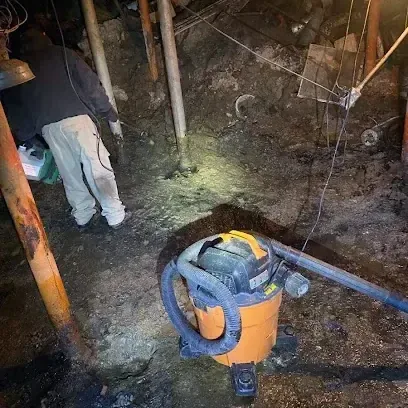
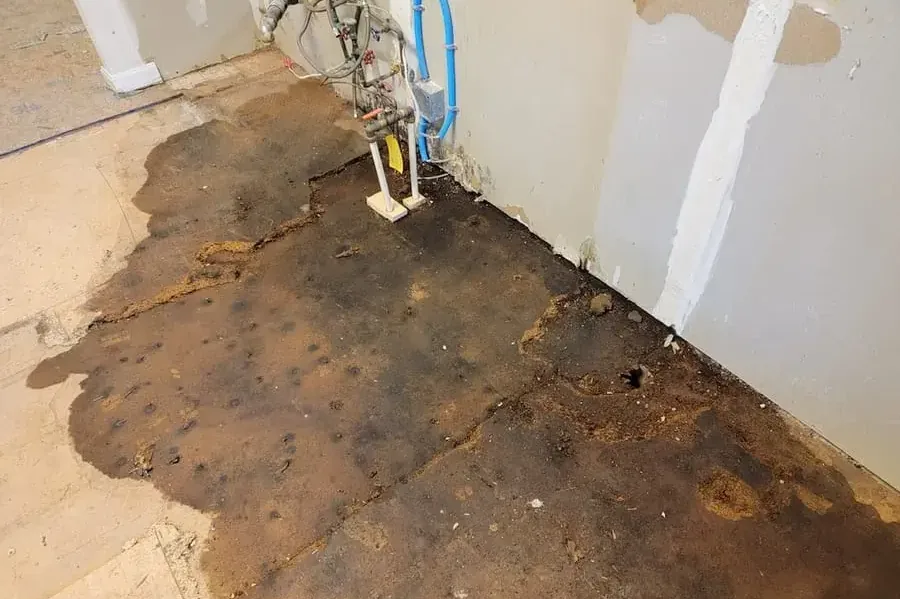 Slab Leak Water DamagePressure leaks under the slab traced, flooring lifted where needed and the slab and wall bottoms dried.
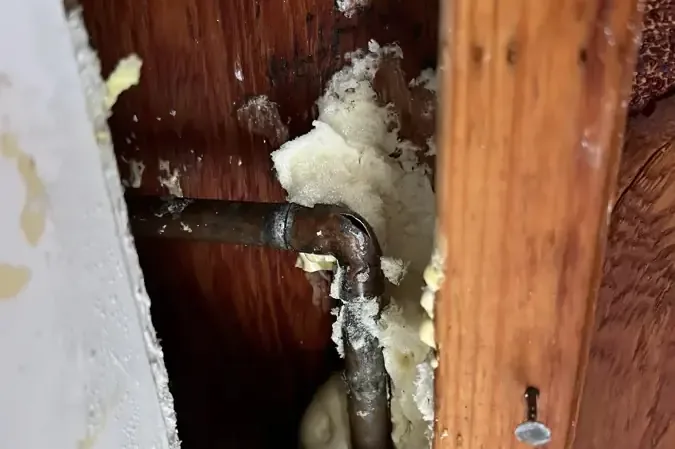 Burst and Pinhole Pipe LeaksSupply line failures inside walls, ceilings and vanities opened, extracted and dried from the cavity out.
Structural drying and dehumidification across southern Hillsborough County
The restoration team covers ZIP 33571 and 33573, from Kings Point and Freedom Plaza to Ashton Gardens, the Pebble Beach Boulevard area and the homes along Cypress Creek, out to the U.S. 301 side.
Nearby coverage reaches Ruskin, Wimauma, Apollo Beach, Balm and Gibsonton.
Structural Drying and Dehumidification questions in Sun City Center, FL
What is structural drying?
Structural drying removes the water held inside framing, drywall, cabinets and concrete after standing water is extracted, using air movers and dehumidifiers until readings show the materials are dry.
How long does structural drying take?
Most homes dry in three to five days. Class 4 materials such as concrete and wood flooring can take a week or more, especially in humid summer air.
What is a dry reference reading?
It is a moisture reading taken from the same material in an unaffected part of the home. Structural drying is finished when wet areas read within 2 to 4 points of it.
Why not just use fans for structural drying?
Fans move water from the materials into the air. Without dehumidifiers to pull it out of the air, humid rooms stay humid and drying stalls.
Can I turn the drying equipment off at night?
It is best not to. Drying is planned around continuous operation, and turning equipment off adds days to the job.
Still dealing with it? Walls still reading wet days after the leak? The drying team can measure them today.
(888) 621-2041Ask what dry reading is the goalStill damp after the water is gone? Get the structure dried properly.
Water held inside walls and slabs stays put until it is pulled out. Measured drying gets it all.