Structural Drying and Dehumidification in Gibsonton
Once the visible water is gone, the moisture left in walls, floors and framing decides how the job ends. Crews map it with meters and set drying plans for mobile homes and houses alike.
(888) 621-2041Map the moisture and dry it out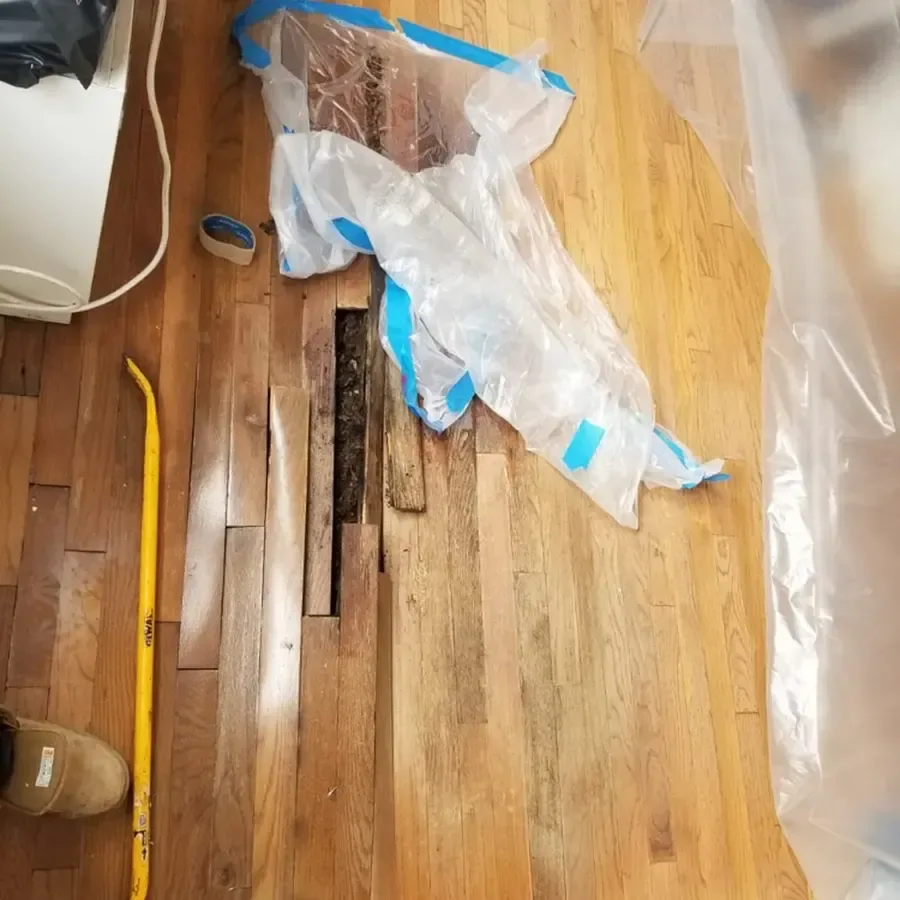
First steps for structural drying and dehumidification
- 1
Map
Meters and thermal cameras show exactly where the water went.
- 2
Set equipment
Air movers and dehumidifiers are placed to match the wet areas.
- 3
Monitor
Daily readings track progress and equipment is moved.
- 4
Finish
Equipment comes out only when readings are dry.
What does structural drying and dehumidification cost in Gibsonton, FL?
One room drying at Class 2 usually costs $1,500 to $4,000. Several rooms run $4,000 to $10,000, and a Class 4 loss or whole home can reach $25,000 because dense materials dry slowly.
One room, Class 2
$1,500 to $4,000- Single room dried
- Air movers and dehumidifier
- Daily readings
Several rooms
$4,000 to $10,000- More equipment
- Wall cavities opened
- Several days of monitoring
Class 4 or whole home
$10,000 to $25,000- Dense materials
- Specialty drying equipment
- Extended monitoring
Ranges are typical, not a quote: the water category, square footage, material class and how fast drying started move the number most. The water damage cost calculator gives a closer planning range.
How structural drying and dehumidification is handled here
Dispatch at any hour
Night, weekend or holiday, an active leak is treated as urgent and the extraction crew is sent to stop the spread.
Dried to IICRC S500
Structural drying, not a surface wipe: equipment stays until the readings say dry, not until the floor looks dry.
A file the adjuster can use
A moisture map, daily readings and timestamped photos taken before any demolition go into one claim file.
Built for single-story living
Furniture is lifted and blocked, walkways are kept clear and the household is walked through each step in plain words.
The structural drying and dehumidification process, step by step
- 1
Map moisture
Meters and cameras locate every pocket of water.
- 2
Place equipment
Air movers and dehumidifiers are positioned room by room.
- 3
Monitor
Readings are taken at each visit and logged.
- 4
Release
Equipment is removed once the dry standard is met.
Structural drying is where water jobs are won or lost. A room can look dry while the wall behind it still holds water, and an inch of skipped moisture can show up later as warped floors or peeling paint.
Different buildings, different plans
The community has about 1,846 mobile homes and 4,697 single family homes. Mobile homes have thin floor systems and low walls, while houses have larger wall cavities and more framing. Drying plans are set to the building type once the moisture is mapped.
How the equipment works
Air movers push dry air across wet surfaces, and dehumidifiers remove the moisture from the air so it does not settle back in. Wet areas are monitored daily, and equipment moves as the readings change. Gaps behind baseboards, under cabinets and inside wall bottoms are targeted so air reaches the places where water settles.
Knowing when it is done
Drying stops when materials match the dry reference readings from unaffected rooms, not when a floor looks dry or feels dry to the hand. The crew keeps daily logs for the insurance carrier and gives the owner a copy at the end. After a first stage extraction, see water extraction.
Related water damage services in Gibsonton
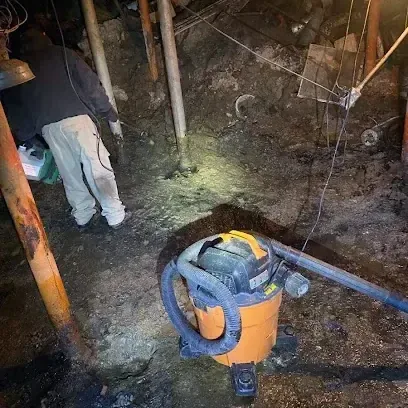 Emergency Water Extraction in GibsontonStanding water pulled from tile, carpet and laminate before it wicks under baseboards and into drywall.
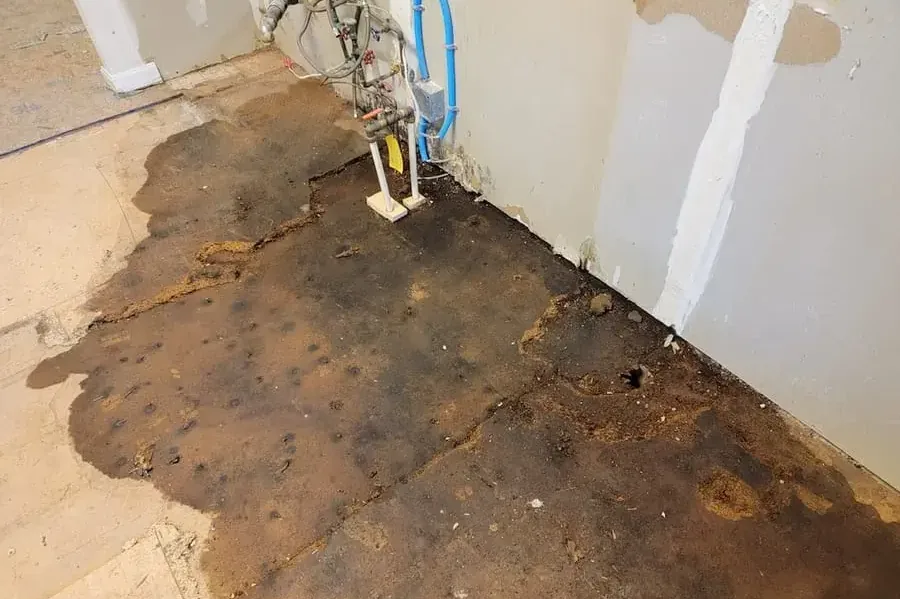 Slab Leak Water Damage in GibsontonPressure leaks under the slab traced, flooring lifted where needed and the slab and wall bottoms dried.
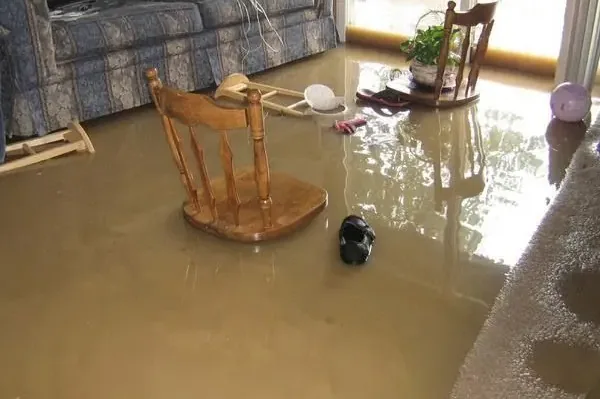 Flood Water Cleanup in GibsontonRising water from ponds, ditches and low streets handled as contaminated, extracted and dried out.
Structural Drying and Dehumidification in Sun City CenterFraming, drywall, cabinets and slab dried to within 2 to 4 points of a dry reference in humid air.
Water damage restoration in Gibsonton
Flood Water Cleanup in GibsontonRising water from ponds, ditches and low streets handled as contaminated, extracted and dried out.
Structural Drying and Dehumidification in Sun City CenterFraming, drywall, cabinets and slab dried to within 2 to 4 points of a dry reference in humid air.
Water damage restoration in Gibsonton
Structural drying and dehumidification across Gibsonton and nearby
Drying crews work across ZIP 33534, covering East Tampa in the north, Adamsville in the south, Eastwood Estates Mobile Home Park and the houses, rentals and shops along U.S. Route 41.
The same service nearby: structural drying and dehumidification in Sun City Center, Apollo Beach, Ruskin.
Structural Drying and Dehumidification questions in Gibsonton, FL
How long does structural drying take?
Several days is typical, longer for thick materials such as hardwood or concrete. The meter decides when drying is complete.
Why are dehumidifiers needed along with fans?
Fans move air across wet surfaces, but a dehumidifier removes the water from the air. Without it, the moisture just resettles.
Do the walls have to be opened?
Sometimes. Small openings allow air into wall cavities that hold water, and the crew keeps them as small as possible.
Is drying different in a mobile home?
The method is the same, but the plan is set around thin floors and low walls. Equipment is placed where meters show water traveled.
Does insurance pay for drying equipment time?
Many policies cover drying after a sudden loss. The crew keeps daily logs and readings that document the work for the carrier.
Still dealing with it? Water gone but walls still damp? Describe the rooms and when the leak happened.
(888) 621-2041Describe the damp wallsDamp walls need real drying
A surface that feels dry can hide wet framing. Call any hour, and a crew will map the moisture and set the drying plan.