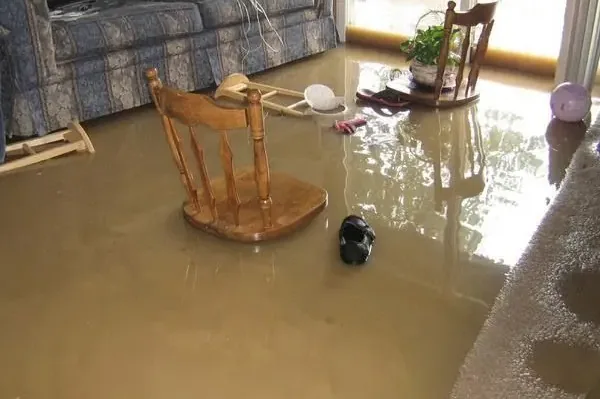
Hurricane Debby in 2024 flooded homes in the Ruskin area of Hillsborough County, and neighbors were still cleaning up weeks later, according to FOX 13 Tampa Bay. One family reported more than four feet of water in the house, compared with about 6 inches during Irma.
Key takeaways
- Floodwater is treated as contaminated, so wet drywall and insulation are usually removed rather than dried in place.
- Two neighboring Ruskin homes had all of their water damaged drywall ripped out after Debby.
- Extraction comes first, then removal of wet materials, then drying of the framing that stays.
- Repairs can take weeks; one family lived in an RV while work went on.
- Standard homeowner policies often do not cover flood, so photos and records before cleanup matter.
What the 2024 flooding looked like
One Ruskin family told FOX 13 that the house took more than four feet of water during Debby, versus about 6 inches during Irma. They had also been through Idalia and Ian but called Debby by far the most damaging.
Two homes next to each other had all of their water damaged drywall pulled out. One family lived in an RV during repairs.
Some residents say new development and concrete left rainwater with nowhere to soak in. That is a resident view, not a finding, but it explains why the flooding felt different to them.
The point of these accounts is not to predict the next storm. It is to show what a serious flooding event does to a house, so owners know what cleanup can involve.
Residents of areas along Tampa Bay and the Little Manatee River live with these risks, and the account shows how quickly a normal week can turn into months of repairs.
Garage first, then the house
The same family said the garage floods first and then the house, so belongings go to storage before a storm. That order is useful for planning, because it shows where water arrives first.
Waterfront and inland homes
Much of the waterfront sits west of US 41, and inland neighborhoods such as Bahia Lakes and River Bend behave differently from places along Tampa Bay. Each home has its own risk.
The first steps after floodwater
Safety comes first. Floodwater can carry sewage and chemicals, and electricity can be live in a flooded house.
A crew handling flood water cleanup in Ruskin starts by controlling hazards and removing water.
Do not run a household vacuum or a fan in a room that has standing floodwater. The equipment can be damaged, and electrical hazards rise around water.
After the water is gone, the crew checks the subfloor, cabinet bases and wall cavities for trapped moisture. A wall can look dry on top and stay wet inside.
- Stay out of flooded rooms until power is shut off at the main panel
- Photograph high water marks on walls and damaged contents
- Wear boots and gloves; avoid skin contact with the water
- Move dry belongings to higher ground
- Call a restoration crew for extraction
Why drywall comes out
Clean water from a supply pipe can sometimes be dried in place. Floodwater is different.
Drywall is paper and gypsum, and it soaks up contaminated water like a sponge. Once it holds floodwater, cleaning the surface does not make it safe.
Cutting drywall above the water mark is not overkill. It leaves a dry, clean edge that new drywall can join, and it lets the cavity air out.
- Floodwater carries bacteria and debris into the wall
- Drywall that stays wet loses strength and swells
- Insulation inside the wall holds water against the framing
- A cut taken above the high water mark leaves a clean edge for new drywall
- Removal also opens the wall so it can dry from the inside
Drying what stays
After wet materials are out, the framing, subfloor and concrete have to dry before anything is rebuilt.
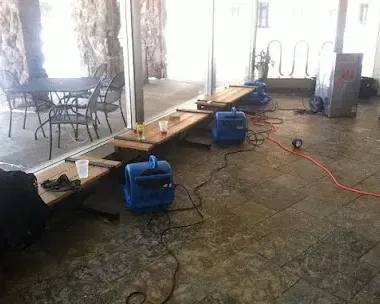
This is the work of structural drying in Ruskin, and it is why homes sat unfinished for weeks after Debby.
Some owners ask whether a fan from the hardware store is enough. For a flooded house it is not.
The volume of moisture in framing and concrete needs commercial dehumidifiers and repeated readings.
Studs and subfloor
Framing holds water long after the surface feels dry. Moisture readings show when it is safe to close walls.
Air movers and dehumidifiers
Equipment runs in the open cavities and rooms, and readings decide how long it stays.
Contents and personal belongings
Floodwater takes more than walls. Furniture, mattresses and stored boxes soak it up too.
The family who moves belongings to storage ahead of storms avoids the worst of that loss. After a flood, the rule changes to sorting what can be cleaned and what cannot.
- Soft items such as mattresses, pillows and upholstery are usually discarded
- Wood furniture may be cleaned and dried if it is not badly soaked
- Hard plastics and metal can be washed and disinfected
- Papers and photos are placed in a freezer bag and dried by a specialist
- Photograph each item before it leaves the house
Cardboard and garage storage
Cardboard boxes soak through quickly. Stored items on a garage floor are lost first.
Keep a loss list
A written list of discarded items, with photos, helps the insurer or a repair program.
Waiting on repairs
The family who lived in an RV shows how long repairs can take when many homes need work at once. Planning for a longer schedule helps.
Keep every receipt, photo and written estimate, because repair programs and insurers ask for them.
For wider information, the flood water cleanup page for the surrounding area explains how cleanup proceeds in each phase.
Hillsborough County Development Services can say which repairs need a permit, and the HillsGovHub portal is where an exemption is requested.
- Photograph each room before and after removal
- Keep a log of dates and calls
- Save receipts for temporary housing
- Ask the insurer whether flood coverage exists
- Keep a copy of every estimate
Permit questions after flood repairs
Hillsborough County lists painting, tile, floor coverings and cabinet work as typically permit free cosmetic work. The state HB 803 exemption for small non structural repairs does not apply if the property is partly or wholly in a flood hazard area.
Owners should check with Development Services before assuming a repair is exempt.
- Cosmetic work such as painting and flooring is typically permit free
- Plumbing, electrical and structural work is not covered by the exemption
- Homes in a flood hazard area do not qualify for the exemption
- Development Services can confirm what a repair needs
Questions
Why do restoration crews remove drywall after a flood?
Floodwater is contaminated, and drywall absorbs it and cannot be made safe by surface cleaning. Removing it also opens the wall to dry.
Can wet drywall be dried in place after floodwater?
Usually not. Clean water from a supply pipe can sometimes be dried, but floodwater is treated as contaminated.
How long do repairs take after a major flood?
It varies. After Debby, some Ruskin families waited weeks, and one family lived in an RV during the work.
Does standard homeowners insurance cover flood?
Most homeowner policies do not cover flood damage. Separate flood coverage exists, so ask the insurer before cleanup.
What should be documented before cleanup?
Photos of high water marks, damaged rooms and contents, plus dates, receipts and estimates.