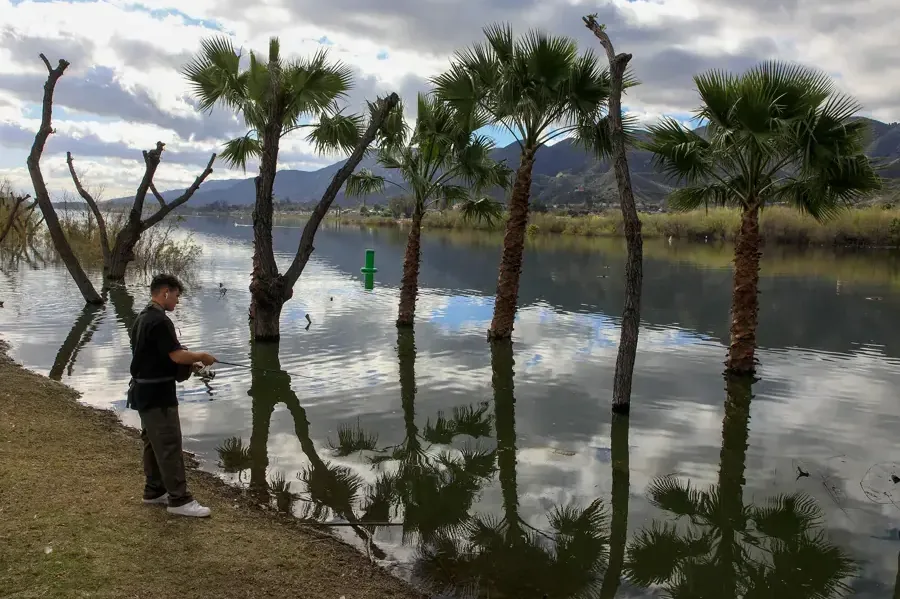
Hurricanes Helene and Milton in 2024 damaged homes across the Tampa Bay region, and Hillsborough County offers $211 million in federal HUD funds through its Rebuilding for Tomorrow Homeowner Repair and Reconstruction Program for low to moderate income homeowners with 2024 storm damage. For Wimauma homeowners, clear water damage records can make an application easier to support.
Key takeaways
- The county program is for low to moderate income homeowners with 2024 storm damage.
- About 1,000 homeowners applied in the program's first month, so records matter.
- A pop up center ran on Mondays in June 2026 at the Wimauma Community Health Center.
- Photos, drying readings and invoices show what water did to the home.
- Standard Florida homeowner policies do not cover flood; separate flood coverage is its own policy.
What the program is
Hillsborough County offers $211 million in federal HUD funds through its Rebuilding for Tomorrow Homeowner Repair and Reconstruction Program. It is for low to moderate income homeowners with 2024 storm damage.
About 1,000 homeowners applied in the first month. A pop up center ran on Mondays in June 2026 at the Wimauma Community Health Center.
The income rules and the application steps come from the county, so any statement from a contractor about eligibility should be checked with the program office.
A restoration company cannot approve an application. Its role is to document the water damage and dry the home.
The county has also said that program staff came to the community in person, which shows how many neighbors were looking for the same help.
Who it is for
The program is for low to moderate income homeowners and for damage tied to the 2024 storms. Eligibility rules come from the county, not from a restoration company.
Where to get details
The county sets the forms, the income limits and the steps. Owners should ask Hillsborough County directly for the current rules.
Why water damage records matter
A program like this asks what damage the storm caused. Water damage that was dried properly leaves a paper trail that shows it.
Hurricanes Helene and Milton in 2024 damaged homes across the region, so many applicants have similar stories. Specific records set one file apart.
Applicants often find that the storm happened a long time before the paperwork. Photos from that time may be on a phone, and receipts may be in a drawer.
Gathering them early saves time.
Where possible, keep originals and make copies for the program.
- Dated photos of the water and the damage
- Moisture readings taken during drying
- Invoices for extraction and drying
- Notes on what was removed and why
- Receipts for temporary housing
What a drying record contains
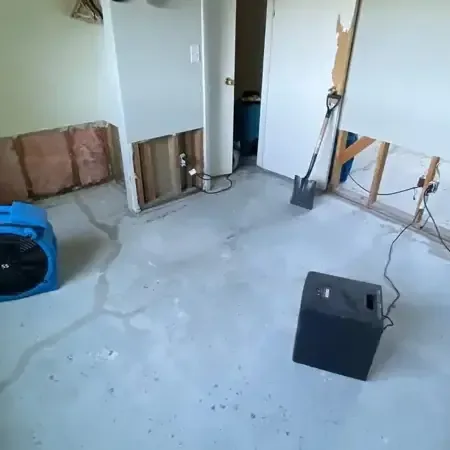
A restoration crew that handles structural drying in Wimauma keeps readings that show when walls and floors were wet and when they became dry.
That record is useful for any repair program or insurer.
Readings are also useful when the home dried but still needs repairs. They show that wet materials were identified and dealt with.
A crew that provides readings in a clear report saves the owner from writing a long explanation.
Owners can also ask the crew for a short written summary at the end of the job. A one page summary of the damage, the work and the final readings is easier for a program reviewer to read than a stack of photos.
- Final dry readings for each room
- A written summary of the work done
Moisture readings
Readings taken at the start and over several visits show the wet area and how it dried.
Equipment logs
Logs of air movers and dehumidifiers show how long drying took and what was set up.
Storm damage steps for a homeowner
A homeowner can build a useful file with a few habits, starting the day water enters.
A hurricane water damage crew can add readings and invoices to the same file.
If the home still has wet or damaged materials, protecting the area from more water is the first priority. Tarps, plastic and a temporary dry space all count as steps to document.
Avoid discarding damaged items without photographing them, since they show the extent of the loss.
A clear order of events helps: when water entered, when it was found, when the crew arrived, and when the home was declared dry.
- Photograph each room before cleanup
- Photograph the roof, windows and doors that let water in
- Keep damaged items until they are photographed
- Write down the date and what was found
- Keep every estimate and receipt
- Store copies in a folder or a phone album
- A simple timeline written in plain words
Flood insurance and the program
Standard homeowner policies in Florida do not cover flood damage. The National Flood Insurance Program offers separate coverage.
Florida flooding can come from tropical systems and from intense summer afternoon thunderstorms, so water damage can happen with no named storm.
A flood policy is a separate purchase, and a standard policy will not respond to rising water. Owners should read what they have before filing.
Intense summer afternoon thunderstorms can bring water into a house through roofs, windows and doors without any named storm.
- Ask the insurer in writing what is covered
- Ask about separate flood coverage
- Keep denial letters; programs may ask for them
- Hillsborough County handles permits and records
Mistakes that weaken a file
A few avoidable habits can make a record less useful. They are simple to fix once known.
Most of them come down to waiting too long or throwing away proof.
- Discarding damaged items before taking photos
- Skipping dates on photos and notes
- Starting work before getting a written estimate
- Losing receipts for temporary housing
- Assuming the insurer's answer is the end of the story
Photos without dates
Photos are stronger when the date is clear. Most phones record it, so keep the original files.
Estimates and invoices
Keep every estimate, even from crews that were not hired. They show the scale of the work.
Working with the county
Hillsborough County handles building permits and records, so repairs go through the county, not through a city office.
Neighboring Sun City Center homeowners follow the same county process.
The county's pop up center showed that program staff can come to the community. Owners can ask whether similar events are planned and what documents to bring.
- Check with the county before starting repairs
- Keep permit records for any work
- Ask whether the program has a required order of steps
- Keep contact details for the program office
Questions
Who can apply for the Rebuilding for Tomorrow program?
Low to moderate income homeowners with 2024 storm damage. The county sets the exact rules.
What records help with a repair application?
Dated photos, moisture readings, invoices and receipts show what water did and what was done.
Does homeowners insurance cover flood damage?
Standard Florida policies do not. The National Flood Insurance Program offers separate coverage.
Where did the county hold a pop up center?
At the Wimauma Community Health Center on Mondays in June 2026.
Does the county handle permits here?
Yes. The community is unincorporated, so Hillsborough County handles permits and records.