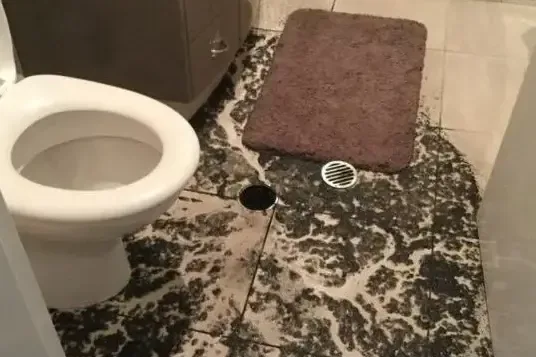
Hillsborough County water programs ask residents not to flush fats, oils, grease, wipes and other unflushables, because they block wastewater systems. In Gibsonton, a blocked drain can push sewage back into a tub, toilet or floor drain, and the cleanup is a health job, not just a mess.
Key takeaways
- Fats, oils, grease, wipes and other unflushables block drains and cause backups.
- Sewage in a house is a health risk; people and pets should stay out of the area.
- Porous materials that touched sewage, such as carpet, pad and drywall, are removed.
- Hard surfaces can be cleaned and disinfected by a trained crew.
- Hillsborough County lists a conversion initiative for septic and low pressure sewer systems, and an option to convert a well to county water.
What causes a sewage backup
Wastewater leaves the house through a drain pipe. When something blocks that pipe, the wastewater has nowhere to go but back into the lowest fixture.
County water programs name the common culprits, and they are the same in every neighborhood.
Many owners are surprised by how small the blockage can be. A mat of wipes the size of a hand can stop a pipe, and grease builds quietly for months before the first sign.
Roots and pipe damage are the other common causes. A pipe that has shifted, cracked or sagged holds waste in a low spot, where grease and solids settle and slowly close the pipe.
Because the cause is often out of sight, a plumber with a camera can show where the blockage sits and whether it will return.
- Fats, oils and grease poured down kitchen drains
- Wipes labeled flushable
- Paper towels, hygiene items and cotton
- Roots entering the pipe
- A collapsed or sagging pipe
Fats, oils and grease
Grease cools inside the pipe and sticks to the walls. Over time it narrows the pipe until a small blockage stops it.
Wipes and unflushables
Wipes do not break down like toilet paper. They catch on rough spots and build a mat that holds other waste.
What a backup looks like
A backup usually begins in the lowest fixture, such as a floor drain, shower or tub. Gurgling sounds and slow drains come first.
A sewage backup cleanup crew sees the same pattern in many homes: several fixtures slow down together, then one overflows.
The pattern matters because it helps a plumber find the blockage. If only one fixture is slow, the problem is local.
If several are slow, the main drain is the likely location.
- Multiple drains running slowly at once
- Gurgling from toilets when a sink drains
- Bad odor from floor drains
- Water or waste in a tub or shower
- Toilets that will not flush
Health steps in the first minutes
Sewage carries bacteria and viruses. The first steps are about keeping people away from it.
Pets, children and anyone with a weakened immune system should stay out of the area.
Do not try to clear a backup by flushing repeatedly. More water only pushes more waste into the house.
Hand washing with soap and clean water is the standard after any contact.
- Stop using water in the house
- Keep people and pets out of the wet area
- Wear gloves and boots if entry is needed
- Avoid touching walls and surfaces
- Do not run a household vacuum on sewage
- Take photos for the insurer
How the cleanup works
Cleanup removes the sewage, then the materials that cannot be cleaned, then disinfects and dries the area.
Details of the drying step are on the structural drying page, which covers the work after a clean out.
Odors are not a reliable sign of when the area is clean. Measurements and visual checks decide, and a final dry reading closes the job.
Cleaning products are used for the surface only. They do not fix a blocked pipe, which belongs to the plumber.
After the clean out, crews often use antimicrobial treatments on hard surfaces and wait for readings to confirm dry framing. Rebuilding on a damp subfloor only hides a future problem.
- Extract liquid sewage
- Remove porous materials
- Wash and disinfect hard surfaces
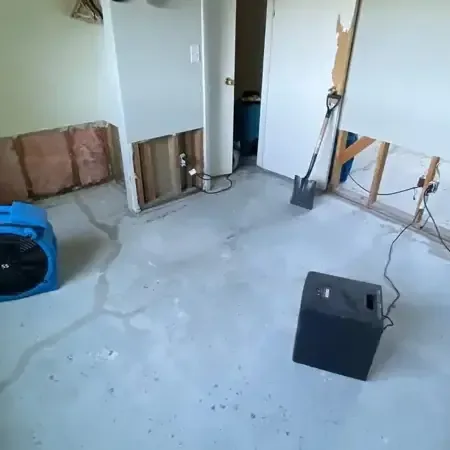
- Dry the area with air movers and dehumidifiers
- Check moisture before any rebuild
- Dispose of removed material according to the crew's instructions
Removed
Carpet, pad, drywall and insulation that touched sewage are removed and discarded.
Cleaned and disinfected
Tile, concrete and sealed surfaces are cleaned, disinfected and dried. A final reading confirms the area is dry.
Septic, well and county water
Hillsborough County lists a Septic and Low Pressure Sewer System Conversion Initiative and an option to convert a well to county water.
An owner who is unsure how a property is served should ask the county, since the setup differs from one address to the next.
Records of a drain cleaning or repair help if the same problem returns. They also help show the insurer that the owner acted quickly.
A homeowner who is unsure whether the house sits on septic, on a low pressure sewer or on a gravity sewer should ask before any repair, because the fix and the responsible party differ.
- Ask the county about the property's service type
- Do not assume a neighbor's setup applies
- A plumber can inspect the drain pipe
- Keep records of maintenance
Insurance and records after a backup
Sewage backup coverage varies by policy, and some policies need an added endorsement. Ask before assuming.
Good records help in any case: dates, photos and the plumber's findings.
- Photograph the source and the affected rooms
- Keep the plumber's report
- Keep invoices for cleanup and repairs
- Write down the date and time the backup was found
- Keep damaged items until the adjuster sees them
What the adjuster may ask
Adjusters often ask what caused the backup, how long it lasted and what was removed.
What to keep
Keep samples of removed materials only if the adjuster asks. Otherwise photographs are usually enough.
Prevention at home
Most backups are preventable with small habits.
The same habits help in nearby Sun City Center and throughout the county.
Kitchens are the most common place grease enters a drain. A habit of wiping pans with a paper towel before washing reduces what reaches the pipe.
- Collect cooking grease in a container and throw it in the trash
- Flush only toilet paper
- Put wipes in the trash, even if labeled flushable
- Have drains cleaned if they run slow
- Keep records of any repairs
Questions
What causes sewage to back up into a house?
Usually a blockage in the drain pipe, from grease, wipes or other unflushables, roots or a damaged pipe.
Is sewage backup dangerous?
Yes. Sewage can carry bacteria and viruses, so people and pets should stay out and the area should be cleaned by trained workers.
Can carpet be saved after sewage?
Usually not. Carpet and pad that touched sewage are removed and replaced.
Who is responsible for the drain pipe?
It depends on where the blockage is and how the property is served. Ask the county and a plumber.
How can backups be prevented?
Keep grease, wipes and other unflushables out of the drain, and have slow drains cleaned early.