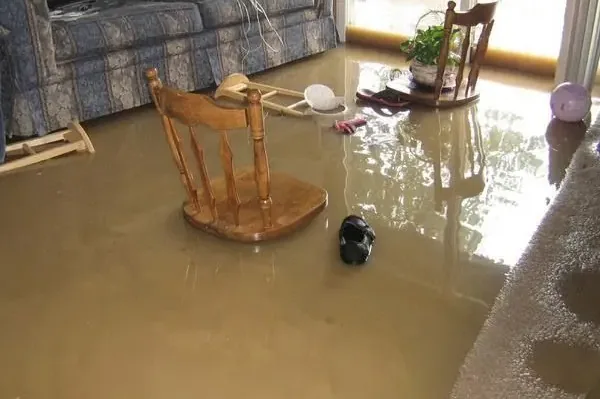
Gibsonton sits at the mouth of the Alafia River at an elevation of about 10 feet, and street flooding here has been reported after any rain lasting more than an hour, then lingering for days. When that water reaches doors, it creeps inside before anyone expects it.
Key takeaways
- Slow street flooding enters through door thresholds, garages and low floors, not only through big breaks.
- In July 2015, FOX 13 reported 1 to 2 feet of water on several streets at Eastwood Estates Mobile Home Park.
- Neighbors described the storm drains as bowls that hold water until it is pumped out or dries.
- Extraction and moisture checks should start as soon as water is inside, not when the street is clear.
- Street water is not clean, so soaked carpet, pad and drywall are usually removed.
What the reports say
In July 2015, FOX 13 reported 1 to 2 feet of water on several streets at the Eastwood Estates Mobile Home Park, with water creeping into homes.
Neighbors there described the storm drains as bowls that hold water until it is pumped out or dries. Street flooding in Gibsonton was reported to follow any rain lasting more than an hour and to linger for days.
Residents describe the pattern as familiar: rain starts, the street fills, the water stays. It is that repetition that makes preparation worth the effort.
The community lies at the mouth of the Alafia River with Hillsborough Bay on its western edge, so low ground and moving water are part of the setting.
A slow rise, not a wave
The danger is not a rushing wall of water. It is a steady rise that reaches the threshold, then the carpet, then the wall bottoms.
Why it lingers
When drains cannot move water away, the street holds it until pumps run or the ground absorbs it. Water that stays for days has more time to enter.
How water gets inside
Water finds every low point, and the routes are often small.
A crew handling water extraction in Gibsonton checks each of these entry points when tracing how a room got wet.
Even a thin film of water under a door can wick into baseboards and carpet. Small openings are enough when water stays for days.
Garages are the usual first point of entry because the doors seal poorly and the floor sits low.
- Under the front or back door threshold
- Through garage doors and the seam where the slab meets the wall
- Via a dryer vent, pipe penetration or low window
- Up through floor drains and toilets when the system is overwhelmed
- Along the base of an exterior wall where it meets the ground
What to do while water is rising
Planning for a rise helps, but the moves are simple. The goal is to protect people and reduce loss.
Moving valuables off the floor and turning off power to low outlets reduces both loss and hazard.
Turn off power at the panel before water reaches outlets, and never use electrical equipment while standing in water.
Sandbags help only when they are placed properly and early. Photographing them in place and removing them later is part of the record.
- Move papers, electronics and keepsakes to higher shelves
- Lift rugs and small furniture off the floor
- Shut off power at the main panel if water nears outlets
- Avoid walking through standing water, since it may be contaminated
- Take dated photos of the water as it rises
After the street clears
Once the street is passable, the inside must be checked. Water that entered during the rise may be under flooring or inside walls.
That is the main job of flood water cleanup in Gibsonton, which treats the water as contaminated.
Equipment placement depends on the layout. Air movers sit where air can cross wall bottoms and cabinets, and dehumidifiers run with doors closed to keep dry air inside.
The goal is to reach a dry standard on every material before anything is rebuilt.
- Remove standing water
- Take out wet carpet and pad
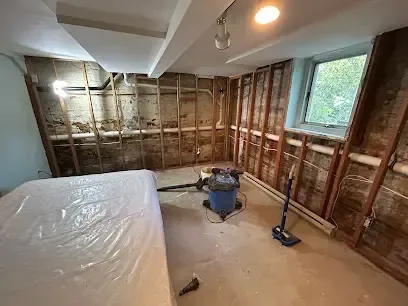
- Pull baseboards and check wall bottoms
- Cut drywall back if it wicked water
- Start drying equipment
Extraction first
Standing water is pumped or vacuumed out. Wet carpet and pad are lifted and removed.
Moisture mapping
A moisture meter checks wall bottoms, cabinets and subfloors so wet areas are found even when the surface looks dry.
Mobile homes and low floors
Gibsonton has about 1,846 mobile homes. In a home that sits close to the ground, a foot of street water is a foot against the structure.
The Eastwood Estates report is a reminder that the homes closest to the ground feel flooding first.
Owners of mobile homes should check the underside of the floor if it can be reached safely, since water often collects there.
After a flood, the home should be checked by someone who can judge whether the floor is still sound.
- Floors take water first
- Insulation under the floor can hold moisture
- Wall panels wick water from the bottom
- Appliances and furnaces on the floor need checking
Reducing the risk before the next rain
No home can stop a flooded street, but a few steps lower the loss when water arrives.
Most of these steps cost little and take an afternoon.
- Keep valuables and papers off floors
- Store boxes on shelves, not directly on slabs
- Keep gutters and yard drains clear
- Know where the main power shutoff is
- Photograph each room in dry weather for comparison
- Keep a list of emergency numbers on paper
Records and repair help
Because street flooding is slow, damage is easy to underestimate. Records protect the owner.
Insurance coverage for flood is separate from a standard policy, so the owner should ask early. The nearby Sun City Center flood cleanup page describes the process for the wider area.
A short list of local contacts kept in a phone makes the next event easier: the insurer, a restoration crew and a plumber.
Pumped water should be recorded with the date, since insurers may ask how long water stayed.
- Photograph water at the door and inside
- Keep a note of when rain started and when water entered
- Save receipts for pumping, hotels and cleanup
- Ask the insurer about flood coverage
Questions
Can street flooding really get inside a house?
Yes. Water finds door thresholds, garage seams and low openings, and a slow rise can reach the floor even when it never looks deep.
How long can street flooding last in Gibsonton?
Reports describe flooding that lingers for days after rain lasting more than an hour. Water leaves only when pumps run or the ground absorbs it.
Is street water safe to touch?
No. It can carry sewage, fuel and debris, so skin contact and wet carpet are treated as health risks.
Should wet carpet be saved?
Usually not after contaminated water. Carpet and pad are removed, and the floor underneath is dried.
Does insurance cover street flooding?
Most standard homeowner policies do not cover flood. Ask the insurer whether separate flood coverage applies.